Possible droppings, gnawing or disturbed insulation can warrant an inspection of accessible areas. They do not establish how long rodents have been present or the work required. Avoid disturbing suspected contamination and review the findings before approving trapping, entry-point repairs or cleanup.
Start by Confirming What You Are Dealing With
The inspector should assess possible rat or mouse evidence in context and explain any uncertainty. The following observations can help you describe the concern without treating one sign as a species or population diagnosis.
Observation
What to record safely
What it cannot confirm alone
Possible droppings
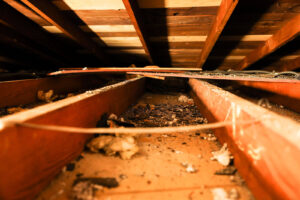
Location, without handling or disturbing the material
Do not dry sweep or vacuum suspected rodent waste. Follow the CDC instructions for cleaning up after rodents, including the additional precautions for heavy contamination. A general article does not identify a pathogen, diagnose illness or establish that an attic is safe to enter.
The sequence of trapping, identified accessible entry-point repairs and any separately approved cleanup depends on the findings and access. Ask the inspector how the tasks relate to the approved work rather than assuming one fixed sequence fits every attic.
Assessing Insulation Removal and Replacement
Not every attic requires full insulation replacement. A recommendation should consider the affected material, contamination, damage, access and other building concerns, with removal and new batt insulation separately approved.
Targeted removal: Ask which affected material would be removed, what would remain and why the findings support that scope. Do not assume one or two visible signs define the full extent of contamination.
Broader removal or replacement: Ask what evidence supports the recommendation and which areas can be accessed. No article establishes a need for full replacement or a particular R-value loss from appearance alone.
What a Professional Attic Cleanup Actually Involves
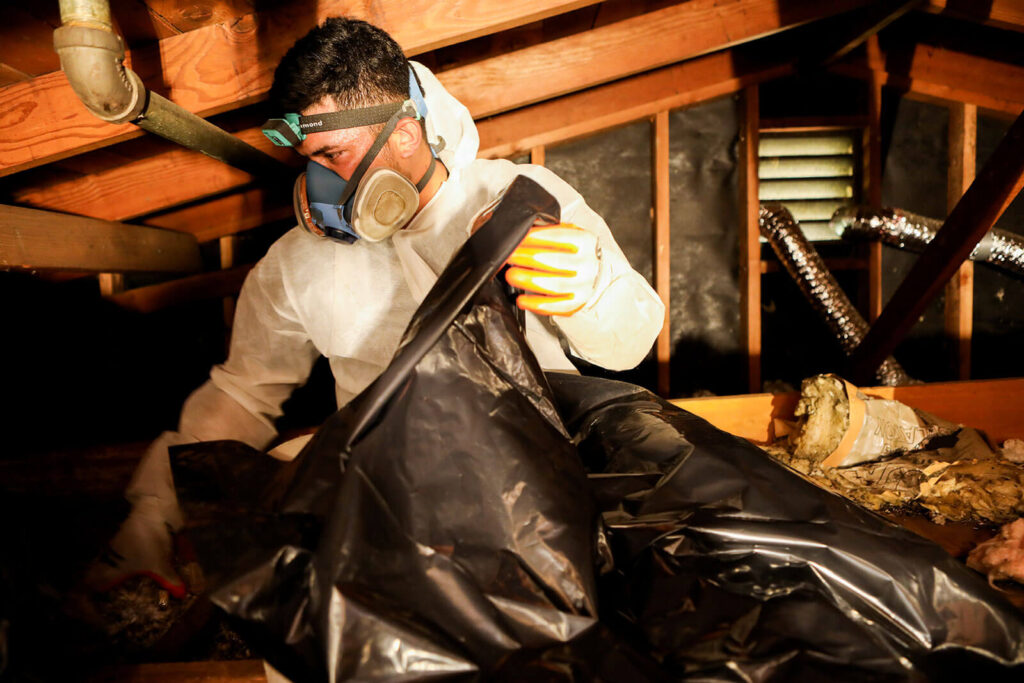
Cleanup is recommended from the observed conditions and separately approved work. Trapping, identified accessible entry-point repairs, removal, sanitizing, odor treatment and any new batt insulation have different scopes and limitations. No cleanup promises elimination of every bacterium, odor or health risk.
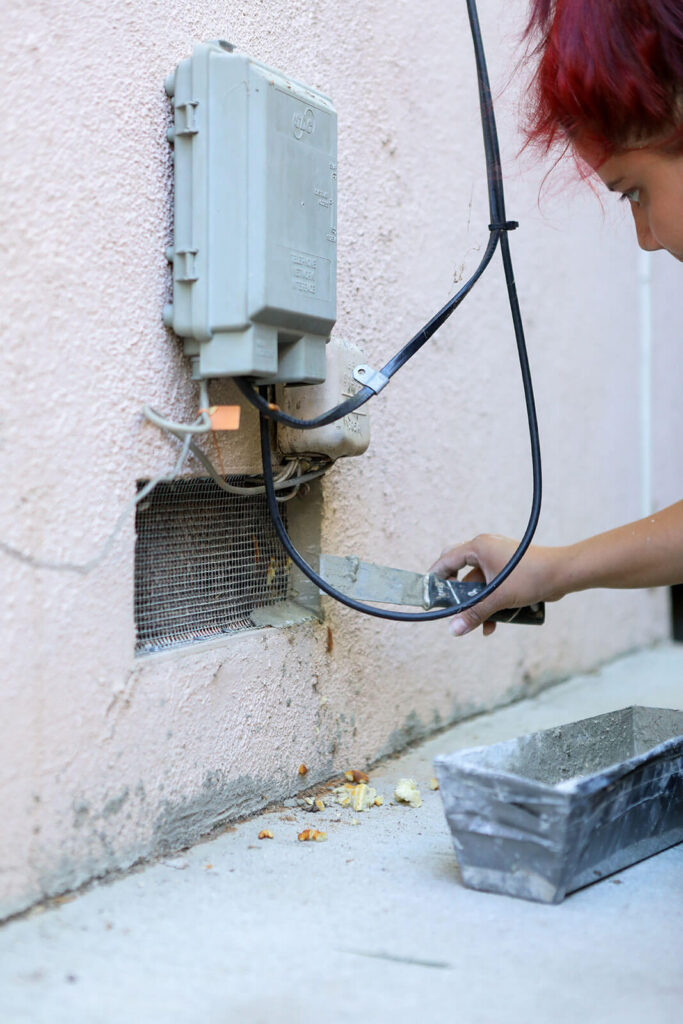
Visible damage does not identify every entry route. Rodent proofing and exclusion address identified accessible openings included in the approved work, using materials suited to the building while preserving ventilation and drainage. Complete discovery or closure is not promised.
Disturbed or contaminated insulation may need assessment, but a sign alone does not establish energy loss or higher bills. Removal and new batt insulation are separately approved. Actual performance depends on the home and work completed; utility savings and completion in the same visit are not guaranteed.
Serving LA County, Orange County, and the Bay Area
RCI provides chemical-free rat and mouse control for eligible detached single-family homes in Los Angeles County, Orange County and the Bay Area, excluding San Francisco city. Inspection covers accessible areas; cleanup, insulation removal, new batt insulation and duct replacement are separately scoped when recommended.
Call 1-833-376-3368 or arrange a free homeowner rat and mouse inspection. The homeowner must be present. We provide a verbal estimate on site; approved work and any warranty follow the signed invoice. No itemized written quote is promised. Businesses, apartments, condos, mobile homes, shared-wall residences and outside-only rodents are outside our scope. Saturday is closed.
Frequently Asked Questions
How do I know if it is rats or mice in my attic?
Droppings, gnawing and possible openings can guide inspection, but appearance or sound alone does not reliably identify rats or mice or current activity. Do not handle suspected waste; share safely visible signs with the inspector.
Is it safe to go into my attic if I suspect rodents?
Do not enter an unsafe attic or disturb suspected droppings, nests or damaged wiring. A mask and gloves alone do not establish that entry or cleanup is safe. Follow current public-health cleanup guidance and discuss access with the inspector.
Do I need to replace all the insulation or just the damaged sections?
The recommendation depends on affected material, access, condition and the approved scope. Removal and new batt insulation are separate services; finding rodent signs does not automatically require full replacement.
How long does an attic cleanup take?
Timing and visits depend on the accessible areas, work approved and conditions found. Ask the office what applies to your job; this article does not promise completion in one visit or a fixed number of days.
Will homeowners insurance cover rodent damage in an attic?
Coverage depends on your policy and the circumstances. Ask your insurer about the specific damage and requirements before assuming coverage. RCI does not promise an insurance outcome or determine coverage.
Rodent exclusion, also called rodent proofing, means sealing identified entry points to help prevent rats and mice from entering a home. At Rodent Control Inc.,
Possible droppings, gnawing or disturbed insulation can warrant an inspection of accessible areas. They do not establish how long rodents have been present or the
 Family-Owned Since 1999