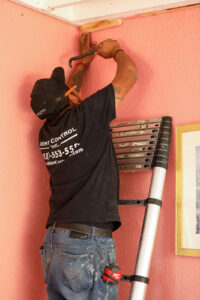
Finding rats or mice in an attic does not automatically mean all insulation must be replaced. A professional inspection helps document affected material in areas that can be safely accessed. The written proposal should explain what is recommended for removal, what will remain, and whether replacement insulation is included.
Rodent control, entry-point sealing, cleanup, and insulation work have different purposes; the approved scope determines which services will be performed. See signs attic insulation may need replacement after rodents.
Signs of Rat or Mouse Activity in the Attic
Tell the team where you have seen rat or mouse activity. Point out visible droppings, nesting material or damaged insulation before the inspection.
The inspection records what can be seen in accessible areas. Ask which parts of the attic were checked and which could not be reached.
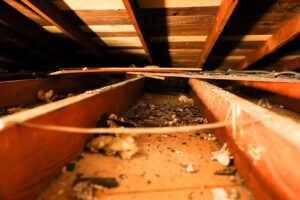
Signs of rodent contamination in attic spaces include strong odors, shredded insulation, dark droppings, trails, stains, and nesting debris. After cleanup, the remaining insulation should be assessed to determine whether further removal or replacement is recommended.
When Insulation May Need Replacement
The inspection should note torn, moved or flattened insulation. Ask the team to explain the affected areas and why removal or replacement is recommended.
The condition and extent of affected insulation should be documented during inspection. The recommended removal and replacement scope depends on those findings.
Insulation work does not replace rodent control. Recommended entry-point sealing addresses identified openings within the approved scope to help reduce re-entry.
Plan Cleanup Before Insulation Work
Agree on the cleanup and insulation scope before work starts. The proposal should name the areas and materials included in the work.
Ask whether rodent-related cleaning or odor treatment is included. Discuss any duct concerns separately; do not assume duct work is part of attic cleanup.
What Removal and Cleanup Include
The team first checks accessible areas and explains the findings. Ask how the proposed material will be removed and what access is needed.
The approved proposal should list the insulation and rodent-related debris to be removed. It should also state whether new insulation is included.
Ask the team to explain the cleanup method and any preparation needed. A cleanup proposal should describe the work, rather than promise a health outcome.
Questions About New Insulation
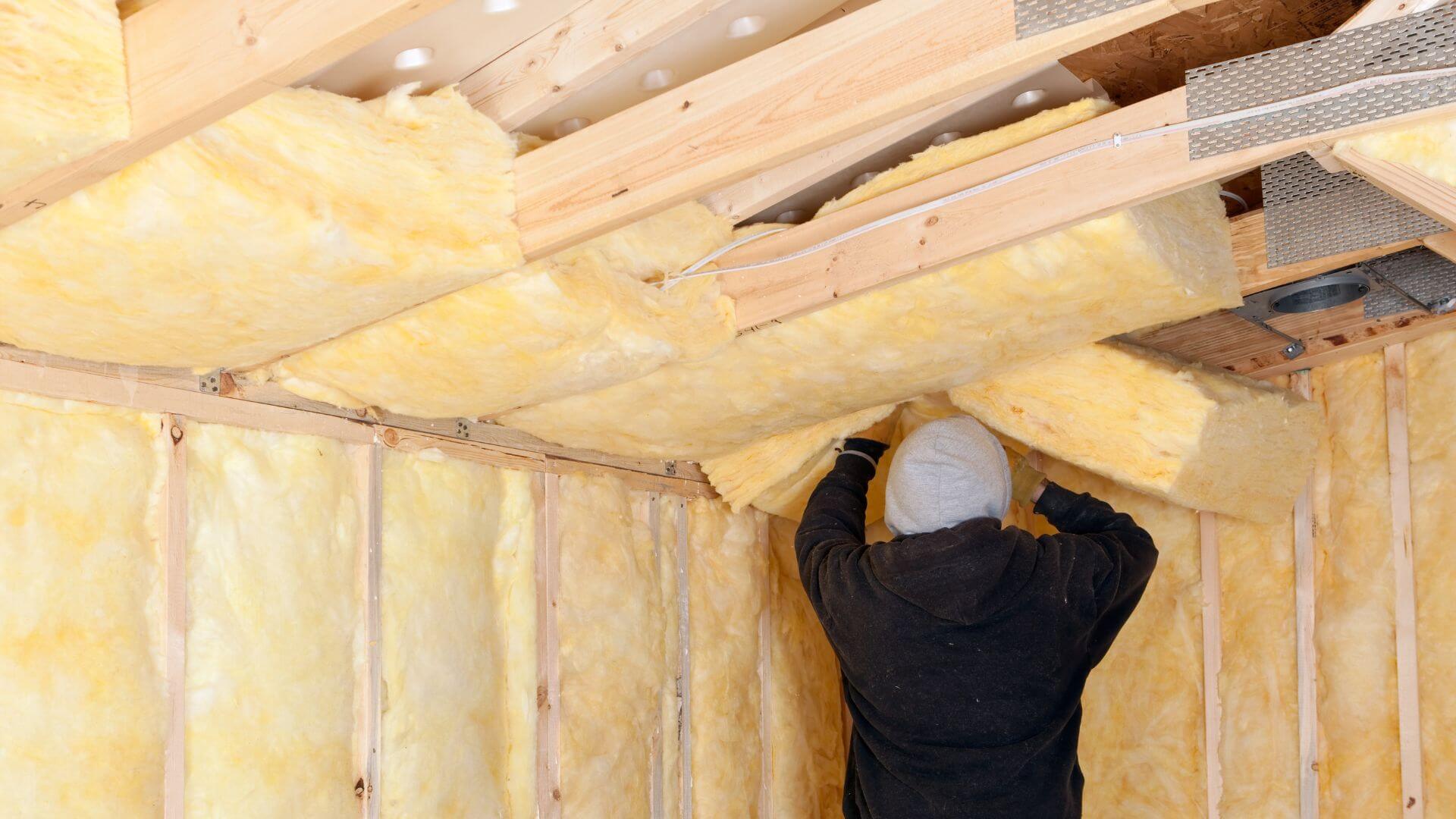
If replacement is recommended, ask what insulation will be used and where it will be placed. Compare this with the areas listed for removal.
Ask what the insulation work is intended to address. Do not assume it will produce a set reduction in energy bills or an immediate comfort change.
Compare the written removal and replacement scope before choosing work. Base the decision on the documented findings, rather than a promise that savings will cover the cost.
Plan Cleanup and Rodent Control Together
Cleanup, trapping and entry-point sealing serve different purposes. Check which of these are included in the approved proposal and how the work will be coordinated.
Report any visible duct or wiring damage to the team. Ask what is within their proposed scope and what needs a separate assessment.
The work should address the conditions identified during inspection. Applicable warranty terms are documented on your signed invoice.
Compare Cleanup and Insulation Costs
Many homeowners worry about the cost of restoring their attic after a rodent problem, but understanding what affects pricing can help you plan effectively.
Attic cleanup cost depends on the level of contamination, the size of the attic, and the extent of damage. If rodents have been present for a long time, heavy contamination requires more labor-intensive cleanup.
Similarly, attic insulation replacement cost varies depending on insulation type, amount needed, and the level of preparation required before installation.
The proposal should distinguish cleanup, insulation removal, replacement, and entry-point sealing so you can understand the recommended work and its price.
Questions to Ask the Team
Ask the team to show the affected areas and explain the proposed work. The scope should state what will be removed and what will remain.
For entry-point sealing, ask which openings were found and which are included. The proposal should explain any access limits or separate work.
Ask the office about preparation before the visit. Tell the team about children, pets and any access restrictions so they can explain precautions for the planned work.
Review the Scope Before Approving Work
Attic insulation replacement may be recommended when the inspection documents affected or damaged material. It does not replace trapping or entry-point sealing.
Review the findings, scope and price before approving work. Ask how cleanup, insulation work and rodent control fit together for your detached single-family home.
For reliable, thorough, and professional attic restoration solutions, contact Rodent Control Inc. today.