Choosing a rodent control company should start with facts you can verify—not claims such as “#1,” “permanent,” or “100% guaranteed.” For a rat or mouse problem in a single-family home, the strongest proposal explains what was found, which accessible entry points are included, how active rodents will be trapped, and exactly what follow-up is documented.
This checklist is designed for California homeowners comparing rat and mouse control, attic rodent exclusion, cleanup, or proofing services.
1. Confirm the Company’s California License
Ask for the company name and license number, then verify the record yourself through the California Department of Consumer Affairs license search. Check that the business identity matches the proposal and that the license status is current.
Rodent Control Inc. operates under California Structural Pest Control license #8817. Homeowners can view the DCA record directly.
2. Make Sure the Company Handles Your Property Type
“Pest control” can mean very different things. Some companies focus on recurring chemical treatments, wildlife, commercial kitchens, apartments, or large multifamily properties. Ask whether the contractor regularly handles your exact problem and property type.
RCI specializes only in rats and mice in qualifying standalone, single-family homes. We do not advertise commercial, HOA, apartment, condo, shared-wall, or general wildlife service.
3. Ask What the Inspection Actually Covers
A useful inspection should identify visible evidence of activity and accessible conditions that may allow rats or mice into the home. It should also explain what could not be inspected because of access, safety, construction, or concealed voids.
Ask these questions:
- Which areas will be inspected?
- Which areas are inaccessible or excluded?
- What evidence shows whether the activity is from rats, mice, or another animal?
- Which entry points were observed?
- Will the findings be tied to a written scope?
RCI offers a free inspection of accessible areas for qualifying single-family homes. It is not a promise that every concealed void or inaccessible area can be examined.
4. Separate Trapping From Rodent Exclusion
Trapping addresses rodents that are active inside. Rodent exclusion, also called rodent proofing, addresses identified entry points. A proposal should explain whether it includes one service or both.
Be cautious when a company promises that traps alone will solve an entry problem or that sealing alone will remove every rodent already inside. The University of California Integrated Pest Management program recommends an integrated approach that includes sanitation, exclusion, and population control. See UC IPM’s rat-management guidance.
5. Require a Specific Exclusion Scope
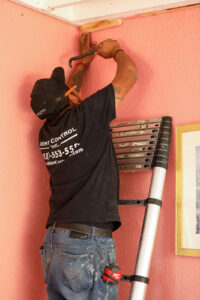
“Seal the house” is too vague. Ask the company to document the accessible openings it plans to address and any important exclusions. The correct repair material depends on the location, size, surrounding construction, ventilation, drainage, and exposure.
A strong written scope should clarify:
- Which accessible entry points are included
- Which areas or repairs are excluded
- Whether roof, vent, eave, door, foundation, or utility penetrations are involved
- Whether photos or notes will document the work
- What happens if another opening is discovered later
For more detail, read what a real rodent exclusion job involves.
6. Understand the Trapping Plan
Ask which devices will be used, where they will be placed, who is responsible for checking them, and how follow-up visits are scheduled. If poison or bait is proposed, ask exactly where it will be used and what risks apply to children, pets, wildlife, inaccessible carcasses, and odor.
RCI’s residential rat and mouse work focuses on trapping and proofing rather than presenting poison as a substitute for sealing entry points. The final service plan is the one documented for the inspected home.
7. Do Not Assume Every Attic Needs Full Cleanup or Insulation Replacement
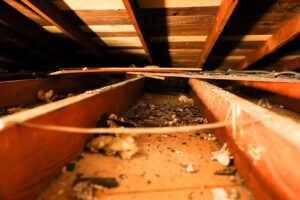
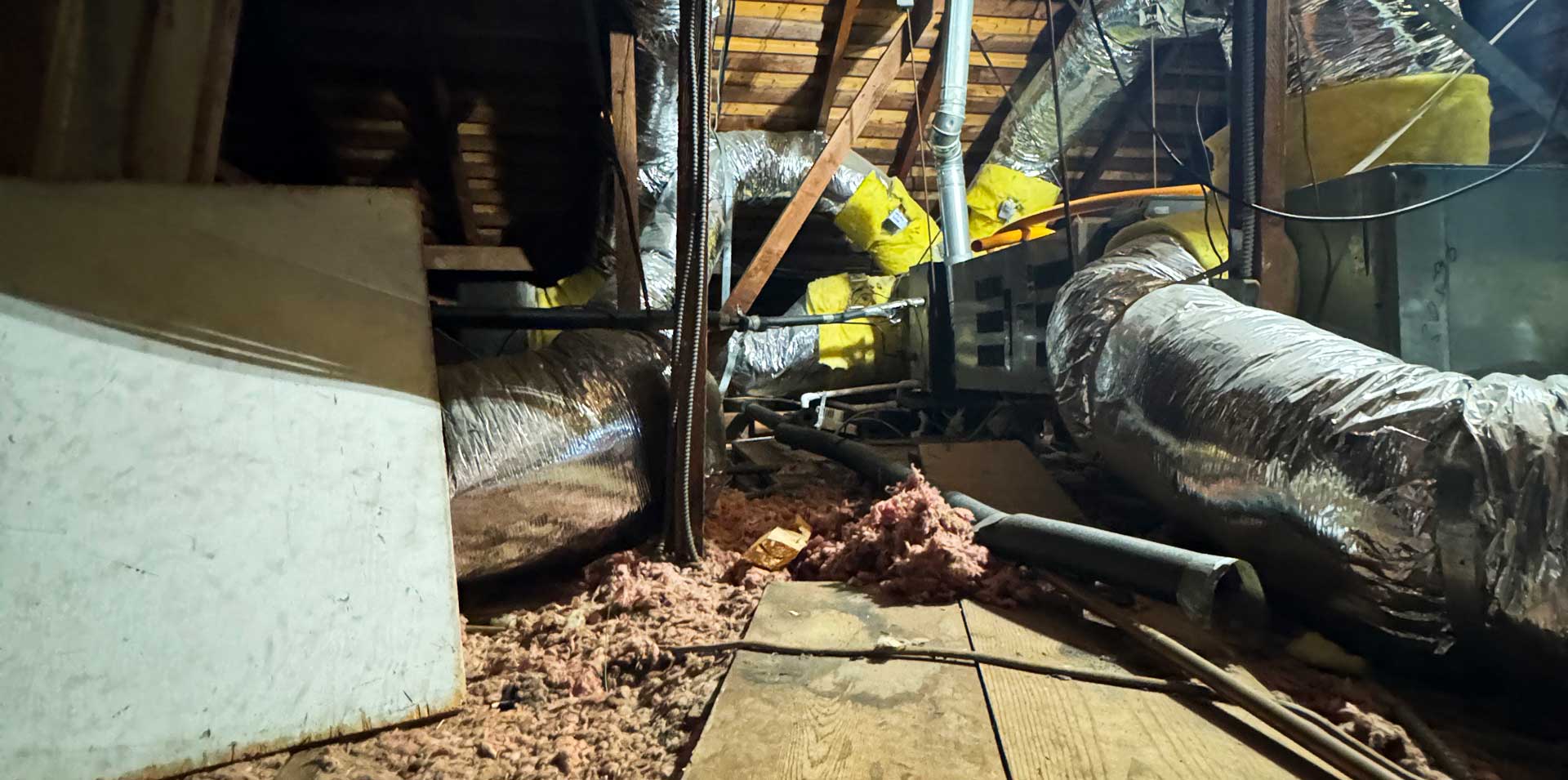
Droppings, urine, nesting debris, odor, damaged ducts, or disturbed insulation may justify additional work, but the scope should match the observed condition. A few signs of activity do not automatically mean that every attic needs all insulation removed.
Ask the company to explain:
- Whether contamination is isolated or widespread
- Why selective or full removal is recommended
- Which cleanup, odor-treatment, duct, or insulation services are included
- Whether new insulation will be installed only after entry points are addressed
Review our guide to when attic insulation may need replacement after rodents.
8. Check the Cleanup Method
Dry sweeping or vacuuming rodent droppings can place contaminated particles into the air. The CDC advises wetting contaminated material with disinfectant, allowing contact time, and removing it with gloves. Compare any proposed cleanup process with the CDC’s rodent-cleanup guidance.
A contractor should not diagnose medical conditions. Direct health concerns to a qualified medical professional or public-health agency.
9. Compare Written Scope, Not Marketing Labels
There is no universal package called “complete rodent control.” Two proposals can use the same words while including very different work. Compare the actual inspection findings and line items instead of relying on labels such as premium, eco-friendly, humane, permanent, or full-service.
Before signing, confirm:
- Services included and excluded
- Accessible areas covered
- Number or conditions of follow-up visits
- Customer responsibilities
- Payment schedule
- Change-order process
- Cancellation terms
10. Read Warranty Language on the Actual Contract
Do not rely on a salesperson’s verbal description or a competitor’s website headline. Ask where the warranty terms appear in the agreement or invoice, what work they apply to, how long they last, and what conditions or exclusions can affect coverage.
RCI’s warranty and follow-up terms are only those documented on the signed invoice for that specific job. We do not replace written terms with a blanket lifetime or permanent promise.
11. Evaluate Reviews Carefully
Reviews can help identify patterns, but a star rating alone does not tell you whether the reviewer had the same property type or service. Read recent reviews across independent platforms and look for details about inspection quality, communication, scope accuracy, follow-up, and whether the work described matches the service you need.
Also verify that the business name, phone number, website, and service area are consistent. Similar business names can cause homeowners to call or review the wrong company.
12. Watch for Red Flags
- Pressure to approve major cleanup or insulation work before an inspection
- Unverifiable “#1,” permanent, or guaranteed claims
- No license number or a business identity that does not match the license record
- A vague promise to “seal everything” without listing accessible openings
- Poison presented as the only answer to an entry problem
- No written explanation of follow-up, exclusions, or customer responsibilities
- A contractor claiming to treat every pest and every property type equally well
What a Clear Rodent-Control Process Looks Like
- Inspect accessible areas. Identify evidence, activity zones, and visible entry conditions.
- Define the scope. Separate trapping, proofing, cleanup, duct, and insulation work.
- Control active rats or mice. Use the trapping plan documented for the home.
- Seal identified accessible entry points. Use materials appropriate to each location.
- Complete justified cleanup or repairs. Address contamination or damage only where the evidence supports it.
- Follow the written service terms. Complete the visits, customer actions, and warranty conditions stated on the signed invoice.
Why RCI May Be a Fit—and When It Is Not
Rodent Control Inc. is a family-owned California company operating since 1999 and specializing only in rats and mice. We serve qualifying standalone, single-family homes in Los Angeles County, Orange County, Long Beach, and the Bay Area. Services can include trapping, rodent proofing, rodent-related cleanup, insulation removal, new batt insulation, duct replacement, sanitizing, and odor treatment when included in the approved scope.
RCI is not the right provider for commercial buildings, restaurants, apartments, condos, shared-wall properties, HOA work, or general wildlife problems. Stating that clearly helps homeowners avoid wasting time and compare companies on the work they actually perform.
Schedule a Free Inspection
If your qualifying single-family home has signs of rats or mice, schedule a free inspection. We will inspect accessible areas, explain the evidence found, and define the services appropriate to the property without publishing a one-size-fits-all price or inventing a guarantee.