Maintaining a safe, clean, and healthy home involves more than just keeping your space tidy and functional. One of the most important yet often overlooked aspects of home maintenance is rodent control. Rodents, particularly rats and mice, can cause serious damage to your property, spread diseases, and affect the overall health and safety of your family. Incorporating rodent control into your routine home maintenance plan is essential to protect your home and loved ones. This article explains homeowner observations and maintenance measures to discuss during a rat or mouse inspection; no year-round rodent-free outcome is promised.
The Importance of Routine Rodent Control
Routine home maintenance can include managing food, waste and accessible openings and recording new signs of indoor rat or mouse activity. This does not imply a recurring RCI subscription or a fixed service frequency. Recommendations depend on the inspection findings and approved work.
Protecting Your Home from Rodent Damage
Rodents are not only a health hazard but also a serious threat to your home’s structural integrity. Mice and rats gnaw on insulation, wiring, drywall, and even wooden beams. Their chewing can cause fires if they damage electrical wires, and they may even destroy furniture, carpets, and personal belongings. Over time, this damage can lead to expensive repairs, making routine rodent control a worthwhile investment in the long run.
Health Questions and Suspected Contamination
Rodent waste can contaminate food and surfaces. Report suspected contamination to the inspection team and ask which cleanup, products, precautions and limitations apply. A rodent inspection does not diagnose illness or guarantee removal of a disease risk; discuss health concerns with a qualified health professional.
Home Maintenance to Reduce Rat and Mouse Access
Food and waste management, observations of accessible areas and repairs to identified openings can help reduce access and attractants. These measures do not guarantee that rodents cannot enter or return.
1. Regular Rodent Inspections
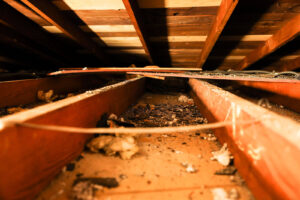
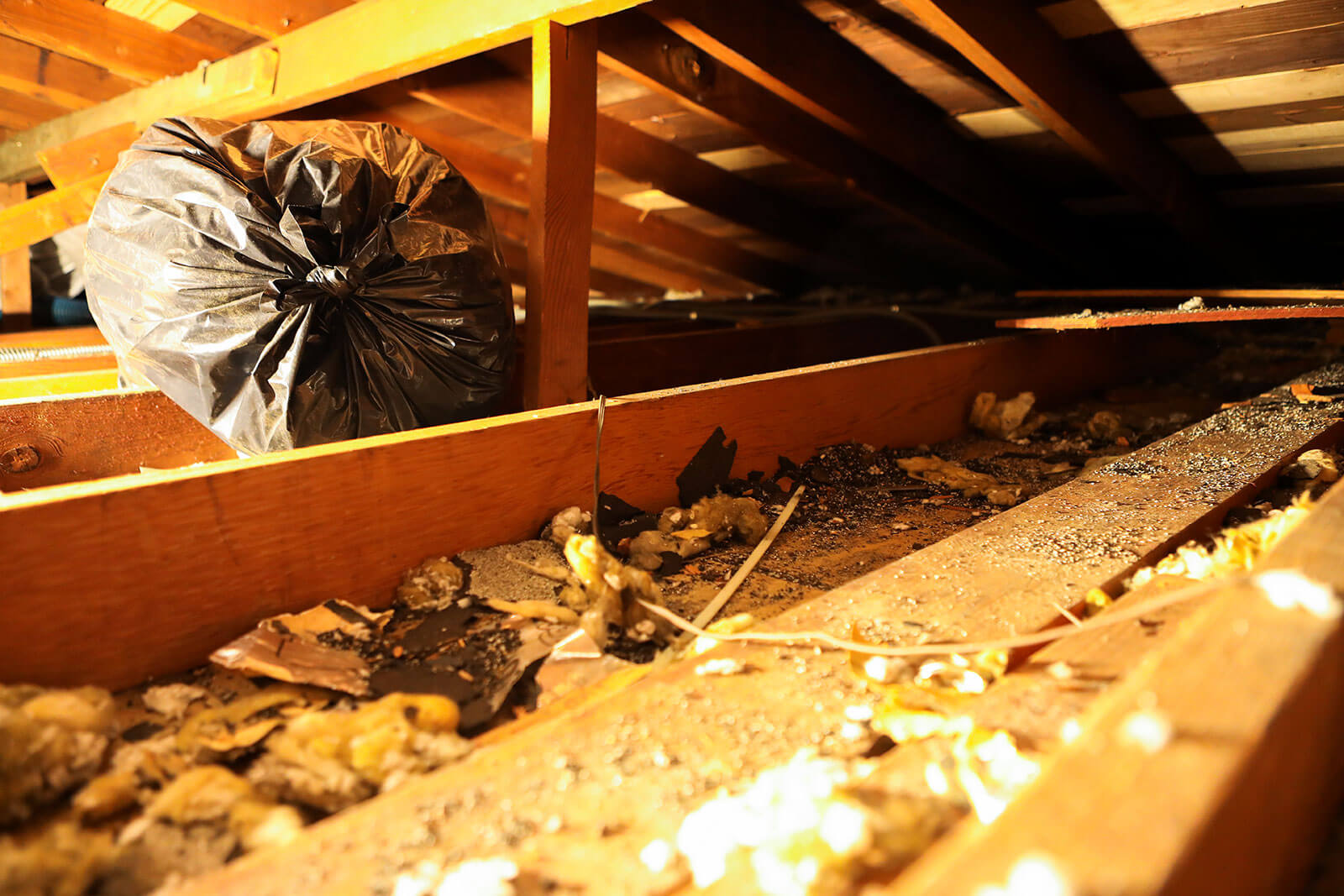
Observe safely accessible areas for droppings, gnaw marks or nesting material without disturbing waste. Record when and where signs appeared and any changes. Do not enter an attic or crawl space solely to inspect for rodents; report inaccessible areas to the technician. Old signs do not establish current activity.
2. Rodent-Proof Your Home
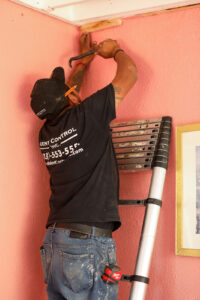
Discuss accessible gaps around doors, windows, utility penetrations and other areas with the inspector. Proofing addresses identified openings within the approved work and must preserve ventilation and drainage. Materials depend on the opening and structure; not every gap can be found or closed.
3. Pest Control in Home Upkeep
Request an inspection when there are signs of indoor rat or mouse activity or concerns about earlier approved work. RCI provides follow-up visits on request; any included visits and warranty terms follow the signed invoice. This article does not offer monthly maintenance, a subscription or a fixed annual service plan.
4. Proper Waste Management
Rodents are attracted to food and waste, so managing waste properly is crucial in preventing infestations. Always store food in sealed containers and clean up any crumbs or spills immediately. Secure trash cans with tight-fitting lids and dispose of waste regularly. Avoid leaving pet food out overnight, as this can also attract rodents into your home.
5. Maintain Cleanliness
A clean home is less inviting to rodents. Regularly sweep floors, wipe down surfaces, and vacuum carpets to eliminate any food scraps or debris that may attract rodents. Pay attention to areas where rodents might nest, such as behind appliances, under furniture, or in closets. Keep clutter to a minimum, especially in attics, basements, and garages, as these areas provide ideal hiding spots for rodents.
Proactive Rodent Control: A Key to Prevention
The best way to deal with rodents is to prevent them from entering your home in the first place. Proactive rodent control includes implementing measures to deter rodents, such as sealing potential entry points and eliminating food sources. It’s important to remain vigilant and address small problems before they turn into larger infestations. RCI uses chemical-free rat and mouse trapping and proofing; chemical baiting and rodenticides are not RCI services. Discuss trap placement and household precautions with the technician.
What a Professional Inspection Can Assess
An inspection can assess visible signs and accessible entry conditions at an eligible detached single-family home. Ask which trapping, exclusion and related cleanup work is proposed and which areas could not be inspected. No permanent protection, harmless treatment or avoided repair cost is promised.
Rodent Prevention Checklist: Keeping Your Home Safe
For homeowner observations and maintenance, use this rodent prevention checklist to follow:
- Seal entry points: Discuss identified accessible openings and proposed repairs with the inspector; preserve ventilation and drainage.
- Keep food sealed: Store all food in sealed containers and clean up food spills immediately.
- Dispose of waste regularly: Use trash cans with secure lids and take out the trash frequently.
- Schedule professional pest control: Request an inspection based on signs or concerns; approved visits and any warranty follow the signed invoice.
- Maintain cleanliness: Keep your home tidy by cleaning up food scraps and eliminating clutter where rodents could nest.
Conclusion: Make Rodent Control Part of Your Routine Maintenance
Routine maintenance and observations can help homeowners report changing indoor rat or mouse signs. Food and waste management and approved entry-point repairs address different conditions. Further activity can occur and may require another assessment.
RCI provides chemical-free rat and mouse control for detached single-family homes. Request a free homeowner inspection; the homeowner must be present. We provide a verbal estimate on site. Trapping, rodent exclusion and related cleanup depend on the findings and approved scope; any warranty follows the signed invoice. We do not service businesses, apartments, condos, mobile homes, outside-only rodents or San Francisco city. Saturday is closed.