
For mice entering a detached single-family home, a professional inspection can help identify visible activity and accessible entry conditions. This guide explains how to compare inspection, chemical-free trapping and rodent proofing, including the limitations and separately approved work that homeowners should discuss.
Understanding Mice Infestations
Mice may enter through gaps and leave signs such as gnawing, droppings or disturbed materials. A sound or a single sign does not establish the species, extent or current activity; share your observations during an inspection of accessible areas.
Once inside, they seek warmth and shelter, often nesting in your insulation.
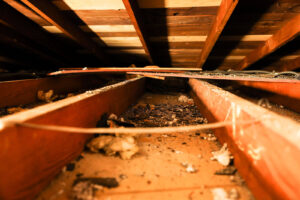
Insulation disturbed or contaminated by rodents may need assessment. Removal and new batt insulation are separate services, recommended only when justified by the findings and included in the approved scope. Insulation work does not replace trapping or entry-point repairs or guarantee a health outcome.
To prevent future infestations, focus on comprehensive mice control strategies. This includes sealing cracks, using traps, and ensuring your home is less inviting to rodents.
Observe safely accessible areas and report new signs or damage. Do not enter an unsafe attic, crawl space or roof to look for rodents. Homeowner maintenance and approved entry-point repairs can help reduce re-entry risk, but future activity remains possible.
Ask the provider to explain the evidence, work scope, access limits and follow-up terms rather than promising a permanent result.
Risks of DIY Solutions
While understanding the behaviors and entry points of mice is important, tackling an infestation on your own can come with significant risks.
Trapping without assessing accessible entry points may leave the reason for indoor activity unresolved. RCI uses chemical-free trapping and rodent proofing rather than rodenticides. Discuss methods and household precautions before approving work.
Additionally, using toxic chemicals poses health hazards, especially if you have pets or children in the home. Accidental exposure can lead to serious health issues.
Trap placement and handling require care. Keep children and pets away from traps and work areas, and follow the technician’s instructions rather than moving or handling traps yourself.
Concealed or inaccessible openings can limit both homeowner observations and a professional inspection. Ask which areas were assessed and which remain unexamined; no inspection promises to find every opening.
In your attempt to save a few bucks, you could inadvertently make the situation worse. Ultimately, the stress of managing a mouse problem yourself can outweigh any perceived benefits.
It’s crucial to weigh these risks carefully before deciding to go the DIY route.
Benefits of Professional Expertise
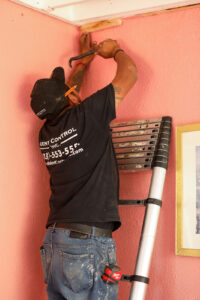
A professional inspection can connect visible mouse signs with accessible entry conditions and help define a trapping and proofing plan. Methods and results depend on the findings, access and agreed work; there is no promise of certainty or complete success.
Ask the inspector how the observed evidence supports the recommended work. Trapping addresses activity inside the home, while rodent proofing and exclusion address identified accessible openings included in the approved scope.
RCI provides chemical-free rat and mouse trapping and proofing for eligible detached single-family homes. Chemical-free does not mean risk-free; discuss precautions for children, pets and work areas. Follow-up applies only as stated on the signed invoice.
Before approving work, review the methods, limitations and applicable follow-up. A provider’s experience is not a guarantee of a permanently mouse-free home.
Comprehensive Inspection Process
The inspection covers accessible areas with possible mouse activity and entry conditions. Tell the inspector where and when you noticed sounds, droppings or damage and identify any areas with restricted access.
Accessible gaps around doors, vents or utility penetrations may need assessment. The appropriate repair depends on the opening and construction; ventilation and drainage must remain functional. Concealed gaps may not be found.
Moreover, the inspection goes beyond just spotting signs of mice. Professionals will also look for conditions that attract pests, like food sources or clutter. By uncovering these factors, they can give you tailored advice on how to minimize future infestations.
Inspection findings guide the proposed work, but do not guarantee that every cause, concealed area or entry point has been identified.
Customized Treatment Plans
Customized treatment plans are essential for effectively addressing your specific mouse problem. Every home is unique, and so are the challenges you face with rodent infestations. When you engage professional mice control Los Angeles services, they don’t just offer a one-size-fits-all solution; instead, they assess your situation and develop a tailored strategy that suits your needs.
A plan should distinguish chemical-free trapping from identified accessible entry-point repairs, and explain any separately recommended cleanup, duct or insulation work. Ask what is included, excluded or limited by access.
Furthermore, customized treatment plans take into account your lifestyle and preferences. Whether you have pets, children, or specific environmental concerns, professionals will adapt their methods to fit your household.
Trapping and Rodent Proofing
RCI uses snap traps when mouse activity is present and rodent proofing to address identified entry points into detached single-family homes. The inspection covers accessible areas; the recommended work is explained before approval.
Trap placement must account for children and pets. Keep them away from traps and work areas, and follow the technician’s instructions. Cleanup and insulation work apply only when separately included in the approved proposal.
Follow-Up and Homeowner Maintenance
New mouse activity can occur if conditions change or repairs are damaged. Observe safely accessible areas and report new indoor signs to the office. Ongoing service or monthly visits are not automatically included.
Regular inspections help you spot any signs of new activity early, allowing you to act before a small problem escalates.
Ask which trapping visits or follow-up checks are included in the approved work and signed invoice. Report new indoor activity to the office; there is no assumed monthly plan, continuous monitoring, free return visit or permanent protection.
Homeowner observations and maintenance can help identify changes after work, but cannot ensure that future activity will be prevented.
Maintain completed repairs and report damage or new signs. Any further repairs or visits should be discussed with the office and follow the approved work and invoice terms.
Incorporating ongoing monitoring and maintenance into your pest control strategy strengthens your defenses against mice.
Health and Safety Considerations
Suspected rodent waste or nesting debris requires careful handling. Do not dry sweep or vacuum it; follow the CDC guidance for cleaning up after rodents, including additional precautions for heavy contamination. An article or inspection does not diagnose illness or identify a disease from a sign. Discuss suspected exposure or illness with a healthcare professional.
RCI’s rat and mouse control approach uses trapping and rodent proofing rather than rodenticides. Traps still require careful placement, and children and pets must be kept away from them.
The inspection can identify visible signs and accessible entry conditions. Hidden openings and restricted areas remain limitations to discuss before approving work.
Rodent-related cleanup and repairs are separately scoped. Trapping and proofing do not automatically include sanitation, improve air quality or guarantee a medical outcome.
Comparing Scope and Costs
Compare the cost of the proposed work with the observed conditions and alternatives. Rat or mouse damage may need repair, but professional service does not guarantee savings, lower future costs or protection of every item.
Trapping and identified accessible entry-point repairs address different parts of the problem. Hidden openings, new damage or changing conditions may permit future activity despite completed work.
Review the written scope, follow-up terms and any applicable warranty before approving work. Coverage depends on the agreement; this article does not add or extend a warranty.
Choose based on the findings, scope, access limits and terms you understand. Do not treat the service price as a promise of future savings or a pest-free home for years.
Choosing the Right Service Provider
When it comes to choosing the right pest control service provider, it’s crucial to do your homework. Start by researching local companies and reading online reviews. Look for providers with a solid reputation and positive feedback from previous customers. This will give you insight into their effectiveness and professionalism.
Verify the provider’s current license record and ask about applicable insurance. A license or policy is not a guarantee of workmanship, complete removal or protection from every liability.
Ask about their methods; eco-friendly practices are a plus, especially if you’re concerned about chemicals in your home.
Inquire about their experience with pest control specifically. A provider who specializes in pest management will have the expertise to handle your situation effectively.
Ask the provider to explain the recommended work and any follow-up. RCI provides a verbal estimate on site; approved work and any warranty follow the signed invoice. No itemized written quote is promised.
For suspected indoor mouse activity in an eligible detached single-family home, schedule a free homeowner mouse inspection. The homeowner must be present. Discuss inspection findings, trapping, exclusion and any separate cleanup before approving work; no permanent result or savings are guaranteed.
Why Choose Us?
Rodent Control Inc. provides chemical-free rat and mouse control for detached single-family homes in eligible areas of Los Angeles County, Orange County and the Bay Area. We do not service businesses, apartments, condos, mobile homes, shared-wall residences, outside-only rodents or San Francisco city. The homeowner must be present for the free inspection and verbal estimate on site. Work and any warranty follow the signed invoice. Saturday is closed.
Rodent Control Inc.
Los Angeles, CA
(323) 553-5551