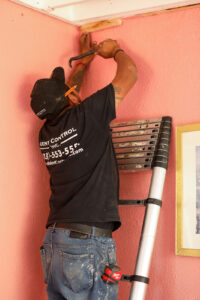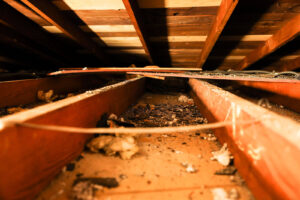

If rats or mice are entering your detached single-family home, tell the inspector about children and pets before work is planned. Ask how rat and mouse control providers plan household precautions. Rodent Control Inc. focuses on inspection of accessible areas, snap trapping and rodent proofing for indoor rat and mouse intrusion. Chemical-free trapping does not mean risk-free work.
1. Understand the Proposed Rat and Mouse Work
Ask which methods are included in the proposal. RCI does not offer general insect treatment in this service. A description such as natural, non-toxic or pet-friendly is not a substitute for explaining the work and its precautions.
Discuss these parts of the proposed work:
- Inspection: Review signs of rat or mouse activity and possible entry points in accessible areas.
- Snap trapping: Ask where traps would be placed and which areas must remain off limits.
- Rodent proofing: Identify the openings included in the agreed sealing work.
Ask about trapping and proofing separately from any recommended cleanup or insulation work. Products and access precautions can differ between those tasks.
2. Careful Preparation Guidelines
Before work starts, discuss your household routines and ask for preparation instructions specific to the proposed work. Useful questions include:
- Pet food and belongings: Ask what needs to be moved from the work area and where to keep it.
- Children’s spaces: Identify nearby play and sleeping areas and ask how access to the work area will be managed.
- Pet location: Arrange a location away from the work area according to the technician’s instructions.
Do not rely on a general article to decide when an area is ready for children or pets. Confirm the instructions for your actual job.
3. Discuss Trap Placement and Access
Ask the technician where snap traps will be placed and how access will be managed. Possible areas to discuss depend on the inspection, such as:
- Accessible interior areas with signs of activity
- Areas near appliances, when accessible
- Accessible crawl spaces or attics
An attic or crawl space is not automatically inaccessible to a pet or child. Tell the technician about any access route and ask which areas should remain off limits.
4. Using Physical Barriers and Traps
Snap trapping addresses rodents already inside, while rodent proofing closes identified entry points included in the agreed work. Neither task should be described as harmless to every household.
Examples include:
- Snap traps: Keep children and pets away from trap locations and ask the technician before moving or handling a trap.
- Sealing openings: Discuss which rat and mouse entry points are accessible and included in the proposal.
- Proofing materials: Ask what materials will be used and how access to the work area will be managed.
Proofing helps address entry into the home. Access limits, follow-up and any warranty terms should be explained in the proposal.
5. Education and Communication with Homeowners
Tell the technician about children, pets and household routines before work. Ask for clear instructions on the work areas and any restrictions during or after the job.
For instance:
- Ask when each work area can be used again.
- Discuss any recommended cleanup separately from trapping and proofing.
- Report new signs of rat or mouse activity through the agreed follow-up process.
Written instructions help everyone in the household understand the plan. Ask for clarification whenever an instruction is unclear.
6. Verify the Provider and Work Scope
When comparing rat and mouse control providers, verify licensing and ask for a written scope. Do not treat licensing or a product label as a promise that every method is harmless. RCI’s license information is available in the site footer.
Confirm that the proposed service addresses rats or mice entering a detached home, rather than general insects or rodents found only outside.
7. Confirm Follow-Up Instructions
Before the technician leaves, clarify the instructions for the work that was actually performed:
- Work areas: Ask which locations should remain off limits and for how long.
- Cleanup scope: Ask which rodent-related cleaning tasks are included or recommended separately.
- Trap follow-up: Confirm who checks or removes traps and how to report an issue.
Do not move traps or change the agreed setup without discussing it with the technician.
8. Special Considerations for Rodent Control Services
A rat or mouse problem should be assessed in the context of your home and household. Ask how the inspection findings connect to the proposed work:
- Inspection findings: Ask where activity and possible entry points were identified, including any access limits.
- Snap trap placement: Discuss locations and how children and pets will be kept away from them.
- Rodent proofing: Confirm the identified openings included in the agreed work.
Avoid a blanket promise that trapping cannot affect children or pets. The actual placement, household access and instructions matter.
9. Pet-Specific Safety Measures
Tell the technician what pets live in the home and where they normally go. Discuss these points before work:
- Pet access: Explain whether pets can reach attics, crawl spaces, garages or other proposed work areas.
- During the visit: Arrange for pets to remain away from the technician and work areas.
- After the visit: Ask which restrictions remain and when to contact the office with questions.
Do not assume that a pet will avoid a trap location simply because it is hidden.
10. Ask Who Handles Questions and Follow-Up
Before approving the proposal, ask who will perform the work and who to contact about access precautions or follow-up. Clear responsibilities help avoid confusion.
Confirm how the provider will:
- Explain the proposed methods and materials.
- Communicate household access instructions.
- Address questions about children and pets before work.
Ask for clarification rather than relying on an unqualified family-safe or pet-safe label.
Discuss Your Home Before Approving Work
Choose a provider that explains the work and its limits . Rodent Control Inc. serves detached single-family homes with rat and mouse intrusion. Inspection, snap trapping, rodent proofing and any additional cleanup or insulation scope should be explained before approval.
Contact the office to discuss signs of rats or mice entering your home and mention children and pets when arranging the inspection. Do not assume a rodent-free result or a harmless treatment from a general marketing claim.