Rats and mice can enter a home through small gaps and leave signs of activity in attics, walls and crawl spaces. Reducing food sources, assessing accessible entry points and using an appropriate trapping plan can help address indoor activity. This guide explains prevention methods for homeowners and how chemical-free rat control fits with rodent proofing. Rodent Control Inc. serves detached single-family homes; the recommended work depends on inspection findings.
1. Identifying the Problem Early
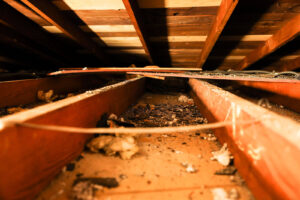
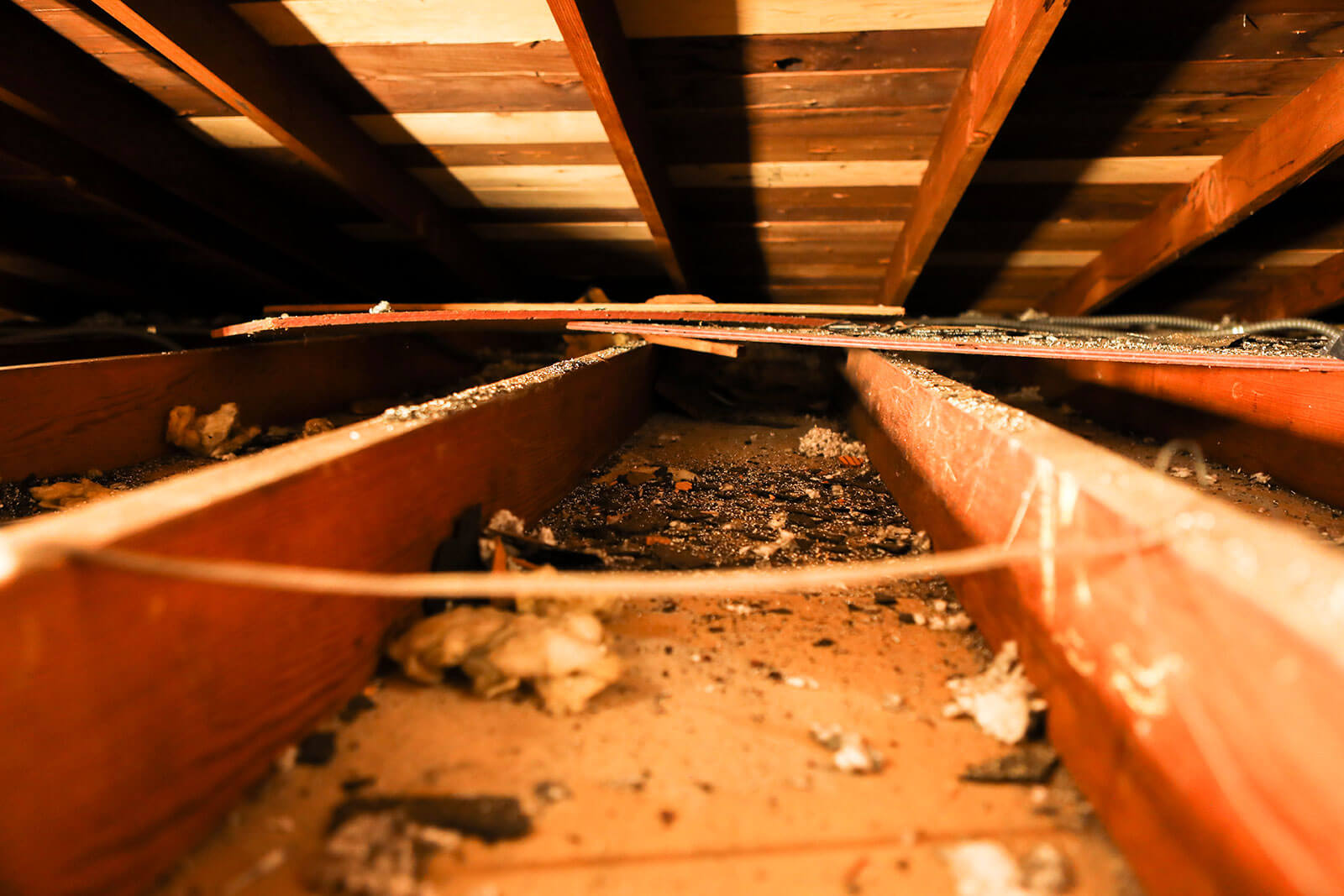
Possible droppings, gnaw marks or sounds can warrant inspection, but do not alone confirm rats, population size or current activity. Record the location and timing from a safe area and share the observations with the inspector rather than assuming the extent of a problem.
Store food securely and manage ordinary spills. Note safely visible gaps without climbing onto roofs, entering unsafe attics or crawl spaces, or moving heavy appliances. Inspection findings should guide any trapping or repair plan.
2. Sealing Entry Points
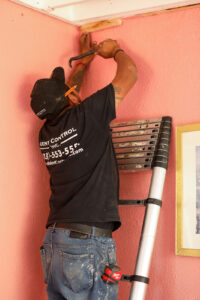
Discuss identified accessible openings with the inspector before sealing them. Materials and sequence depend on the location, construction and current signs; no instruction to seal every potential gap or guarantee complete closure applies.
Accessible gaps around doors, vents, pipes and building joints may need assessment. Suitable repair materials depend on the opening and the condition of the building; ventilation and drainage must remain functional. Professional rodent exclusion and entry-point repairs address identified openings within the approved scope, without promising that every opening can be found or sealed.
3. Cleanliness and Food Management
Store food in sealed containers, manage ordinary food spills and put away pet food after feeding. These housekeeping steps are separate from handling rodent contamination. Do not dry sweep or vacuum suspected droppings or nests; follow the CDC rodent-cleanup guidance.
Also, consider keeping trash bins tightly sealed and taking out the garbage regularly. If you have a compost pile, ensure that it is sealed well to avoid attracting rodents. By managing your food sources and keeping your environment clean, you can make your property far less appealing to rats.
4. Chemical-Free Rat and Mouse Trapping
Rodent Control Inc. uses snap traps for rats and mice as part of the agreed work and does not use rodenticides. Trap placement and follow-up depend on the inspection findings and approved scope.
Live-capture cage traps are available at an additional cost because they require more visits. Ask about this option during the homeowner inspection. RCI does not promise that captured rodents will be relocated or released outside.
5. Rodent Control Services
For indoor rat activity that is difficult to assess or access, a professional inspection can identify visible evidence and accessible entry points. Rodent Control Inc. provides chemical-free rat control and rodent proofing for detached single-family homes. Recommended trapping and exclusion depend on the findings and approved scope. RCI does not use rodenticides or promise a permanently rat-free home.
Ask during the inspection what trapping visits or follow-up are included in the recommended work. RCI does not offer a promise of continuous monitoring or protection from future activity; any warranty is governed by the signed invoice.
6. Natural Deterrents
Scent products and other deterrents should not replace inspection, food-source management, trapping precautions, or accessible entry-point repairs. Rodent Control Inc. does not offer repellent treatments. Do not assume that a product is safe for people, pets, or building materials because it is marketed as natural.
For suspected indoor rat or mouse activity, focus on inspection findings and the agreed trapping or exclusion plan rather than relying on a scent product to solve the problem.
7. Maintaining Your Outdoor Space
Ordinary yard maintenance, secure food and waste storage and reporting visible building damage can help reduce attractants. RCI’s service addresses rats or mice entering eligible detached homes; rodents found only outdoors are outside its scope. Do not disturb suspected nests or seal outdoor structures blindly.
Manage fallen produce, pet food and birdseed where safely accessible. A fence or barrier is not assumed rodent-proof. Ask which identified entry-point repairs apply to the home and preserve required ventilation and drainage.
8. Regular Inspections
Observe safely accessible parts of the home and report new signs or damage to completed repairs. Do not enter unsafe attics, roofs or crawl spaces to look for rodents. Homeowner observations do not guarantee early detection and are separate from the service visits stated on the signed invoice.
9. Long-Term Prevention
Long-term prevention for a detached single-family home includes managing food sources, maintaining completed entry-point repairs and checking accessible areas for new signs of rats or mice. Conditions can change, so these steps do not guarantee a permanently rodent-free home.
Ask what follow-up is included in the approved work. RCI does not promise monthly service, continuous monitoring, free return visits, or permanent protection. Follow-up and any warranty depend on the signed invoice.
Why Choose Us
Rodent Control Inc. specializes in chemical-free rat and mouse control for detached single-family homes. Services may include trapping, addressing identified accessible entry points, and rodent-related cleanup based on the inspection findings. We do not service businesses, apartments, condos, mobile homes, or outside-only rodent activity.
Schedule a free homeowner rat and mouse inspection for your detached single-family home. The homeowner must be present. We provide a verbal estimate on site; approved work and any warranty follow the signed invoice. Saturday is closed.
Los Angeles, CA
(323) 553-5551