Rat and mouse activity can affect sanitation and property condition. Rodent proofing addresses identified accessible openings to help reduce entry risk. This guide explains prevention steps and professional exclusion work for homes, without promising permanent protection or a rodent-free result.
What is Rodent Proofing and Why is it Important?
Rodent proofing and exclusion address identified accessible openings included in approved work. Trapping addresses rodents already inside, and any cleanup is separately scoped. Proofing does not guarantee prevention of contamination, damage, illness or all future entry.
Signs Your Home May Need Rodent Proofing
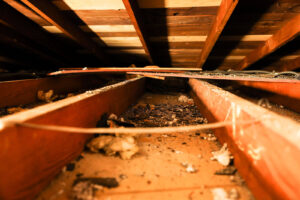
Droppings, gnawing, disturbed materials, odors and sounds may warrant inspection. They do not by themselves establish species, population size or current activity. Record safely visible signs without disturbing suspected waste or entering unsafe areas.
How to Rodent Proof a House: A Step-by-Step Guide
Effective rodent-proofing your home requires a systematic approach:
- Observe safely accessible areas: Note visible gaps around doors or utilities from a safe location. Do not climb onto a roof or enter unsafe attics or crawl spaces to look for openings.
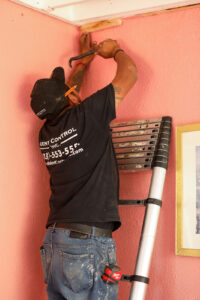
- Discuss entry-point repairs: Materials must suit the opening and construction; steel wool or caulk is not appropriate for every location. Repairs should follow inspection findings and the approved scope.
- Eliminate Food Sources: Store food in sealed containers and clean spills immediately.
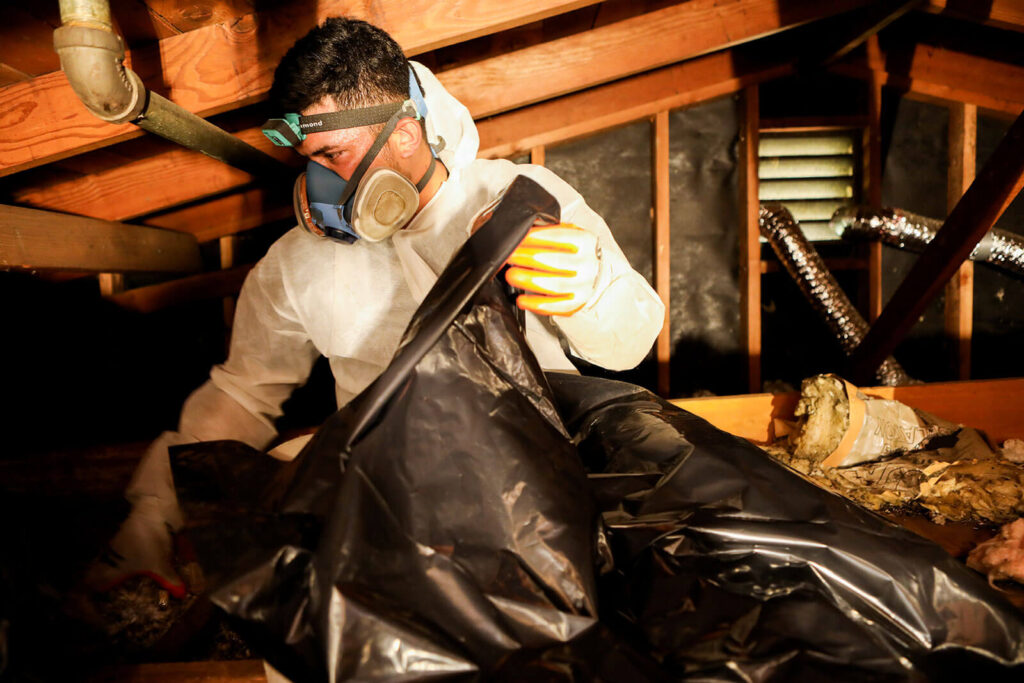
- Manage accessible storage: Reduce ordinary clutter where it is safe to do so. Do not disturb suspected rodent waste or nesting material; follow public-health cleanup precautions.
- Preserve ventilation and drainage: Do not blindly screen or seal vents, drains or required openings. Ask which repair is suitable for the specific construction and access.
Common Entry Points Rodents Use to Invade Homes
Rodents can squeeze through small gaps in walls, roofs, or under doors. Plumbing pipes, utility lines, and poorly sealed windows also serve as pathways. Sealing these entry points is essential to effective rodent exclusion.
Rodent Exclusion Tips from Experts
Maintaining door sweeps, landscaping, and damaged siding can help reduce opportunities for rodent activity. Accessible entry-point repairs should suit the building conditions and ventilation needs. These measures do not guarantee a permanent result.
The Benefits of Professional Rodent-Proofing Services
A professional inspection can explain visible evidence, identified accessible entry conditions and the recommended trapping or exclusion work. Ask what could not be assessed and what follow-up applies. Professional service does not promise complete closure or a permanent result.
Eco-Friendly Rodent Prevention Strategies
A green or natural label does not guarantee that a product or treatment is harmless to people, pets, or the environment. RCI does not offer repellent treatments. Ask about the trapping, accessible entry-point repairs, and household precautions included in the proposed chemical-free rat and mouse work.
Best Practices for Long-Term Rodent Control
Keep food stored securely, maintain the building, and watch for new signs of activity. Inspection and exclusion can help reduce re-entry risk, but no permanent protection, financial saving, or monthly service is promised.
Conclusion
Rodent proofing can help reduce rat and mouse entry risk at home. The appropriate work depends on inspection findings and accessible areas, and does not guarantee a rodent-free home or elimination of health risks.
Rodent Control Inc. provides chemical-free rat and mouse control for detached single-family homes. We do not service businesses, apartments, condos, mobile homes, or outside-only rodents. Schedule a free homeowner inspection; the homeowner must be present. We provide a verbal estimate on site, and approved work and any warranty follow the signed invoice. Saturday is closed. Learn what professional rodent exclusion work involves.