Mouse activity can contaminate stored food and damage materials in a home. Periodic observations of safely accessible areas can help homeowners notice changes to discuss during an inspection. These checks do not guarantee a rodent-free home or prevent every repair.
Regular inspections help identify potential entry points, food sources, and nesting areas before mice become a major problem. This article explores the significance of routine home inspections for mice prevention, the common signs of infestation, effective prevention strategies, and how professional inspection can inform the proposed work.
Understanding the Risks of a Mice Infestation
Mouse waste can contaminate food and surfaces, and gnawing can damage wiring, insulation and stored materials. Report visible waste or damage to the inspection team. A rodent inspection does not diagnose illness or establish that concealed wiring is safe; discuss health questions with a qualified health professional and electrical concerns with a qualified electrician.
Record when and where you notice signs and whether they appear to be changing. Observations can help focus an inspection, but they do not establish the number of mice or the extent of concealed activity.
Key Signs That Indicate a Mice Problem
Homeowners should be aware of the warning signs of a mice infestation to take immediate action before the problem worsens. The most common indicators include droppings, gnaw marks, strange noises, and unpleasant odors.
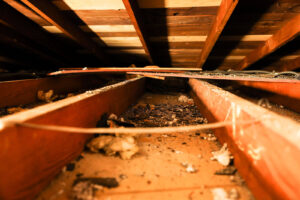
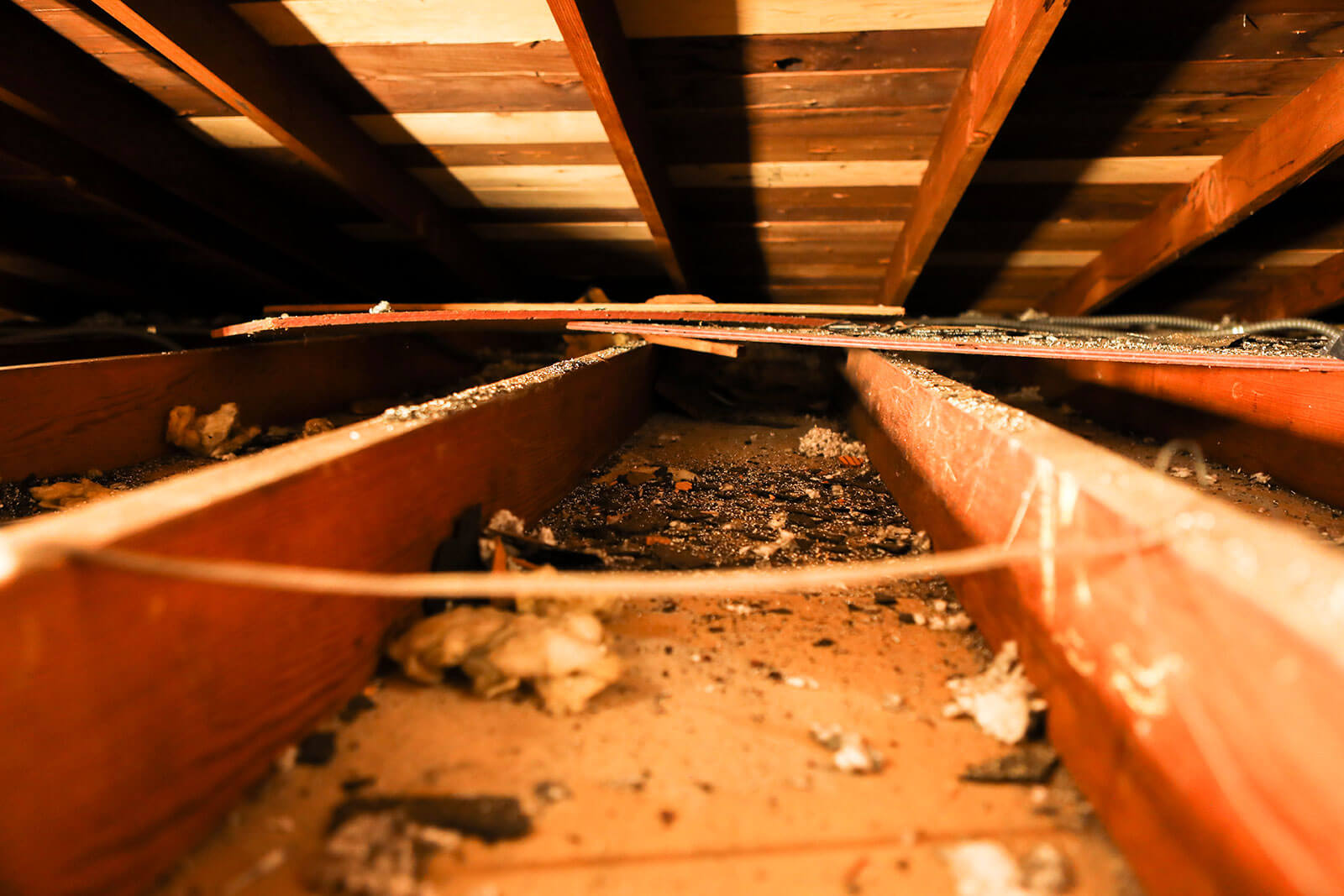
Droppings, gnawed packaging and nesting material may indicate rodent activity. Old signs can remain after an earlier problem. Sounds or odors alone do not confirm mice, an active nest or the extent of damage; describe the location and timing to the inspector.
If you notice any of these signs, it’s crucial to conduct a thorough home inspection or contact a professional pest control service to assess the severity of the infestation.
The Role of Regular Home Inspections in Mice Prevention
Routine home inspections are an essential part of any effective mice control strategy. These inspections help identify vulnerabilities in your home that could allow mice to enter, such as cracks in walls, gaps around doors and windows, and improperly sealed utility openings.
Limit homeowner observations to areas you can access safely. Do not enter an attic, crawl space or concealed area simply to look for mice; report inaccessible areas to the inspection team. Store food securely, manage waste and reduce clutter to limit accessible food and shelter.
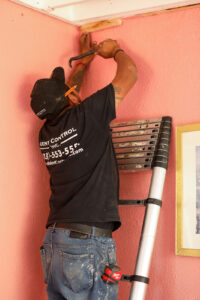
In addition to personal inspections, scheduling professional home inspections is highly recommended. Pest control experts have the experience and tools needed to identify problem areas that may go unnoticed by the average homeowner. They can also provide tailored recommendations to strengthen your home’s defenses against rodents.
Effective Mice Prevention Strategies for Homeowners
Reducing mouse access involves managing food and shelter, inspecting accessible conditions and addressing identified entry points when appropriate.
Rodent proofing addresses identified entry points within the approved scope. Materials and installation must suit the opening and surrounding structure while preserving required ventilation and drainage. An inspection cannot promise that every gap will be found or closed.
Keeping your home clean and free of food debris is another critical step. Mice are attracted to food sources, so always store dry goods in airtight containers, clean up spills immediately, and dispose of garbage regularly. Reducing clutter in storage areas also minimizes hiding spots and nesting materials for mice.
Do not rely on ammonia, scented products, or ultrasonic devices as a substitute for inspecting indoor mouse activity, managing food sources, and addressing accessible openings. Rodent Control Inc. does not offer repellent treatments. Discuss appropriate trapping and household precautions with the technician.
What to Ask During a Professional Mouse Inspection
A professional inspection can assess visible signs and accessible entry conditions at an eligible detached single-family home. Ask which areas were inspected, what could not be accessed and which trapping, proofing or cleanup work is proposed. Results depend on the conditions found and the approved work; permanent protection is not promised.
Rodent Control Inc. uses chemical-free rat and mouse trapping and mouse control and exclusion for detached homes. Chemical baiting and rodenticides are not RCI services. Discuss trap placement, household precautions and identified entry-point repairs with the technician; any included work and warranty terms follow the signed invoice.
Ask a provider to explain the proposed methods and household precautions. A non-toxic or eco-friendly label does not guarantee that treatment is harmless to people, pets, or the environment. RCI uses chemical-free rat and mouse control, with trapping and exclusion recommendations based on the inspection findings.
Conclusion: Protect Your Home with Regular Inspections
Periodic observations can help homeowners record signs of indoor mouse activity and changes to accessible openings. Combine those observations with food and waste management and an inspection when needed. Recommendations depend on the findings, access and approved work.
If you notice mouse activity inside your detached single-family home, schedule a free homeowner inspection with Rodent Control Inc. We service rats and mice only, and do not service businesses, apartments, condos, mobile homes, or outside-only rodents. The homeowner must be present. We provide a verbal estimate on site; approved work and any warranty follow the signed invoice. Saturday is closed.