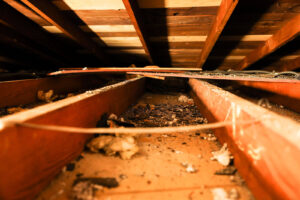

As temperatures begin to rise and nature comes back to life, many homeowners unknowingly face an unwelcome seasonal problem—rodent activity spring. While blooming flowers and warmer weather are welcome changes, they also create ideal conditions for rats and mice to become more active, reproduce rapidly, and seek shelter inside homes. This article explains signs to document and questions to ask about accessible entry points; seasonal observations do not predict a guaranteed outcome or repair savings.
The Seasonal Shift That Triggers Rodent Activity
Spring marks a turning point in the behavior of rodents. After enduring colder months where food sources are limited and survival is more difficult, rodents become highly active once temperatures warm up. This is primarily driven by their need to find food, water, and safe nesting areas.
During winter, many rodents stay hidden in attics, crawl spaces, or walls where they can remain warm. When spring arrives, they begin to explore more actively, searching for new food sources both indoors and outdoors. Gardens, trash bins, and pet food become easy targets, making residential areas especially attractive.
Rat and mouse activity can change with available food, shelter and conditions at a property. Do not estimate population growth or the extent of an infestation from the season alone; report the evidence you have observed.
Why Your Home Becomes a Target in Spring
Homes offer everything rodents need to thrive—warmth, shelter, and easy access to food. As outdoor conditions improve, rodents expand their territory and often find entry points into residential properties.
Small cracks in foundations, gaps around windows and doors, and openings near utility lines become entryways. Rodents can squeeze through incredibly small spaces, making even minor vulnerabilities a serious concern. Once inside, they often nest in attics, insulation, or behind walls, where they remain hidden while causing damage.
Spring cleaning activities can also unintentionally contribute to the problem. Leaving doors open, moving stored items, or exposing cluttered areas may give rodents new opportunities to enter or settle in unnoticed.
The Risks Associated with Increased Rodent Activity
The rise in rodent activity during spring is more than just a nuisance. It presents real risks that can affect your property and your health.
Rodents are known for chewing on materials such as wood, plastic, and electrical wiring. This behavior can lead to structural damage and even increase the risk of electrical fires. In addition, their nesting habits can destroy insulation, reducing your home’s energy efficiency.
Rodent waste can contaminate food and surfaces. Report suspected contamination to the inspection team and discuss any health concern with a qualified health professional. The presence of waste does not diagnose an illness.
The longer rodents remain undetected, the more severe these issues become. That’s why early detection and prevention are critical during the spring season.
Early Signs of Rodent Activity You Shouldn’t Ignore
Recognizing the early signs of rodent activity can help you take action before the problem escalates. In spring, these signs often become more noticeable due to increased movement and breeding.
You may hear scratching or scurrying noises, especially at night, coming from walls or ceilings. Droppings in kitchens, pantries, or along baseboards are another clear indicator. Chewed wires, gnawed food packaging, and shredded materials used for nesting also point to rodent presence.
A strong, musty odor can develop in areas where rodents are active, particularly in enclosed spaces. If you notice any of these signs, it’s important to act quickly to prevent further infestation.
Effective Ways to Prevent Rodent Activity in Spring
Preventing rodent activity during spring requires a proactive approach that focuses on both exclusion and sanitation. By addressing potential entry points and eliminating attractants, you can significantly reduce the risk of infestation.
Observe safely accessible exterior areas and report gaps around pipes, vents, doors or rooflines to the inspector. Proposed repairs address identified openings within the approved scope and must preserve ventilation and drainage. Do not climb or enter inaccessible areas simply to inspect for rodents.
Maintaining cleanliness is equally important. Store food in sealed containers, clean up spills promptly, and keep trash bins tightly closed. Outdoor areas should also be managed carefully. Trim vegetation away from the house, remove debris, and avoid leaving pet food outside.
Insulation condition and rodent entry-point repairs require separate assessments. Insulation is not a rodent barrier or deterrent. Discuss visible damage, suspected contamination and inaccessible attic areas with the inspection team.
Why Professional Intervention Matters
Trapping addresses activity, while exclusion addresses identified entry points. Ask how each proposed service relates to the signs found at your home and what limitations apply. A trap or a completed repair does not establish permanent protection.
Rodent Control Inc. provides chemical-free rat and mouse trapping and proofing for detached single-family homes. Inspection covers accessible conditions; cleanup recommendations depend on the findings. We do not promise that every concealed opening or nest will be found.
An inspection can help define appropriate work when there are signs of indoor activity. Further activity can occur if conditions change or new openings develop; any applicable warranty follows the signed invoice.
The Importance of Acting Early in the Season
Record when signs first appeared and any changes you notice. These observations can help focus the inspection, but timing alone does not determine the work required or its outcome.
Work and pricing depend on accessible conditions and the approved scope. An early appointment does not guarantee lower costs, less damage or fewer follow-up visits.
Continue managing accessible food and shelter and report new signs of indoor rat or mouse activity. Seasonal preparation does not guarantee a rodent-free home.
Conclusion and Call to Action
Rat control for detached homes starts with the signs and accessible conditions at the property. Report observations rather than assuming that spring activity establishes an infestation or its extent.
Food and waste management and repairs to identified entry points can help reduce access and attractants. Ask the inspector which measures are appropriate for the conditions found; no permanent result is promised.
If you notice indoor rat or mouse activity at your detached single-family home, schedule a free homeowner inspection with Rodent Control Inc. The homeowner must be present. We provide a verbal estimate on site; approved work and any warranty follow the signed invoice. We do not service businesses, apartments, condos, mobile homes, outside-only rodents or San Francisco city. Saturday is closed.