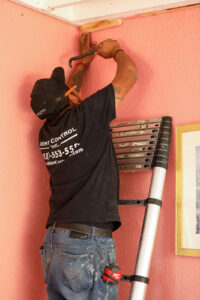
When you think about insulation, you might focus on comfort or energy bills, but the environmental impact is equally crucial. By properly removing and replacing insulation, you can significantly improve energy efficiency, leading to lower greenhouse gas emissions. This process not only reduces your reliance on fossil fuels but also enhances indoor air quality, making spaces healthier for everyone. As you consider these benefits, it raises an important question: what specific steps can you take to maximize these environmental advantages in your own properties?
Energy Efficiency Improvement
When it comes to your home’s energy efficiency, proper insulation elimination and replacement can make a significant difference. Old or damaged insulation can trap heat in the summer and allow it to escape in the winter, leading to higher energy bills. By investing in elimination removal and then replacing it with high-quality materials, you can dramatically improve your home’s thermal performance.
Moreover, insulation plays a crucial role in mice control Los Angeles. Rodents often nest in outdated insulation, which can’t only compromise energy efficiency but also pose health risks. Replacing damaged insulation can improve its performance, but insulation alone does not prevent mice or rats from entering. Trapping and sealing identified entry points address different parts of the rodent problem.
When you replace your insulation, consider materials with high R-values, which indicate better thermal resistance. The appropriate R-value and installation depend on the home, climate and proposed work.
The result? Lower energy bills and a smaller carbon footprint. Prioritizing proper insulation elimination and replacement helps you enjoy a more energy-efficient home while also addressing pest issues effectively. It’s a win-win for your comfort and your wallet.
Reduction of Greenhouse Gas Emissions
Proper insulation removal and replacement can lead to a significant reduction in greenhouse gas emissions. When you replace old, damaged insulation with new, energy-efficient materials, you effectively improve your property’s thermal performance. This means your heating and cooling systems won’t have to work as hard to maintain comfortable temperatures, which directly translates to less energy consumption.
As you reduce energy use, you’re also cutting down on the fossil fuels burned to generate that energy. This is crucial because many power plants still rely on coal, oil, and natural gas, contributing to greenhouse gas emissions. By enhancing your insulation, you’re not just saving energy; you’re actively participating in the fight against climate change.
Moreover, new insulation technologies often feature sustainable materials that have a lower environmental impact during production. When you choose these options, you’re further minimizing emissions associated with manufacturing and transporting insulation products.
In essence, proper insulation elimination and replacement isn’t just about comfort; it’s a proactive step toward reducing your carbon footprint. By focusing on this improvement, you’re making a significant contribution to a healthier planet for future generations.
Lower Utility Bills
Regularly upgrading your insulation can lead to noticeably lower utility bills. When insulation becomes old or damaged, it can allow heat to escape in winter and let it in during summer. This means your heating and cooling systems have to work harder, driving up your energy costs.
By replacing outdated insulation with new, high-quality materials, you create a more efficient barrier that keeps your home at a comfortable temperature year-round.
Any change in utility expenses depends on the home’s existing insulation, installation quality, weather and energy use; a specific reduction is not guaranteed. You won’t just feel the comfort; your wallet will appreciate the difference, too. Better insulation prevents energy loss, meaning your HVAC system doesn’t need to run as frequently or intensely. Equipment lifespan and utility savings cannot be predicted from insulation replacement alone.
Furthermore, investing in insulation can lead to substantial savings over time. You may even qualify for rebates or tax incentives for making energy-efficient upgrades.
In short, proper insulation elimination and replacement is a smart financial move that pays off in reduced utility costs while enhancing the overall efficiency of your property.
Enhanced Indoor Air Quality
Clean, well-insulated spaces contribute significantly to enhanced indoor air quality. When you remove old insulation and replace it with fresh materials, you’re not just improving energy efficiency; you’re also creating a healthier environment.
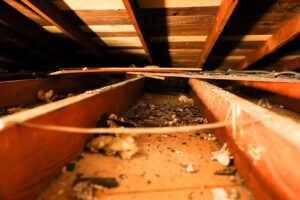
Old insulation often harbors dust, mold, and allergens, which can circulate through your home, leading to respiratory issues and other health problems.
Removal can address contaminated insulation within the approved scope. It does not guarantee pollutant elimination or resolve unrelated leaks, moisture or mold; those conditions may require separate assessment.
New insulation materials can also be chosen for their low volatile organic compound (VOC) content, further improving the air you breathe.
Additionally, with proper insulation, you’re likely to experience more consistent temperatures. This stability can reduce the risk of condensation, which often leads to mold growth.
Insulation work should be evaluated for the condition actually found. Air-quality concerns, persistent moisture and suspected mold may need separate assessment.
Removal and Disposal
Ask how removed insulation will be collected and disposed of as part of the approved work. Do not assume that rodent-contaminated material will be recycled. A recycling or environmental claim needs confirmation for the actual material and disposal facility.
Insulation removal and replacement are separate services. The proposal should identify what is being removed, which accessible areas are included and whether new batt insulation is also approved.
Documenting Improvements to Your Home
Keep the inspection findings, approved scope and completed-work records. These help explain what was addressed and which issues require follow-up. Insulation work does not guarantee a higher resale value or a particular return on investment.
Choosing Replacement Insulation
Replacement should be chosen for the home and the agreed work. RCI’s described installation service is new batt insulation; this article does not offer spray foam, cellulose or sheep’s wool installation.
Ask which material and R-value are proposed and which areas are included. The U.S. Department of Energy’s home insulation guide explains insulation and air sealing. It is general homeowner guidance, not a promise of savings for an individual RCI job.
Confirming the Scope Before Approval
Ask about removal, disposal, replacement and any work needed by another specialist. Do not assume that an insulation proposal includes moisture repairs, mold remediation or hazardous-material removal. Any incentive or rebate needs separate confirmation under the current program rules; RCI does not promise eligibility in this article.
Comfort and Existing Contamination
Suitable, properly installed insulation can help limit heat transfer. Results depend on the existing home, air leakage and the work completed. It is not a treatment for a medical condition or a guarantee of cleaner air.
If rodents have affected insulation, the inspection should distinguish the damaged material from ongoing rodent entry. Removing material alone does not stop rats or mice from returning.
Keeping the Work Effective
Monitor for new indoor rodent activity and report it to the office. Keep food securely stored and follow the prevention advice provided after inspection. Addressing moisture or other building problems may require a separate qualified provider.
For a detached single-family home with rats or mice entering, start with an inspection of accessible areas. Review the proposed rodent proofing, trapping, insulation removal and any separate new batt insulation before approving work.
Why Choose Us?
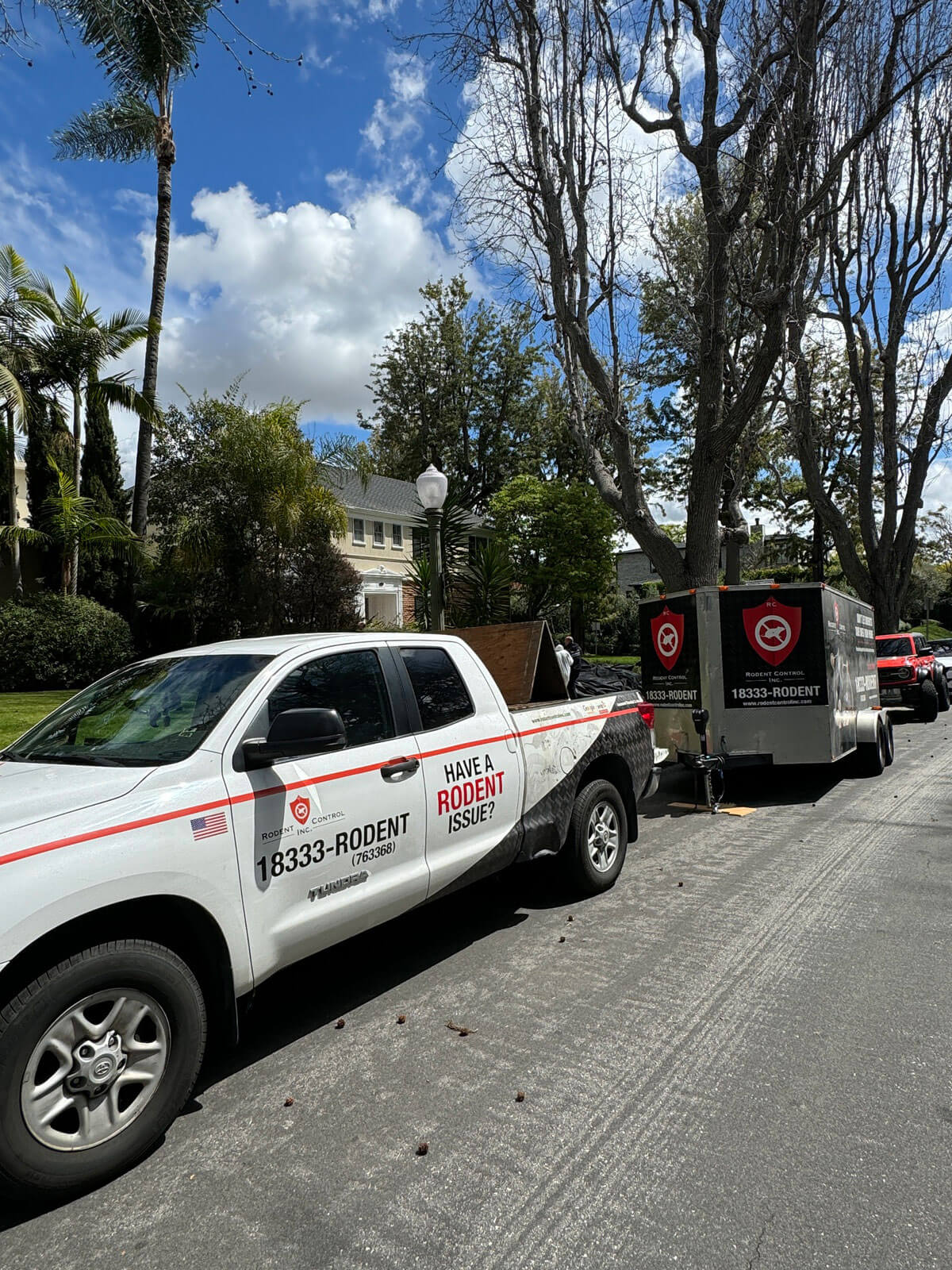
Rodent Control Inc. brings years of experience in tackling rodent infestations in Los Angeles. Our technicians are highly skilled and understand the behavioral patterns of mice, enabling them to implement targeted and efficient control strategies. From identifying entry points to employing humane and effective removal techniques, our team is dedicated to delivering long-lasting results. RCI serves detached single-family homes with rats or mice entering the home. Inspection covers accessible areas; trapping, rodent proofing and any insulation work follow the approved proposal. Insulation removal and new batt insulation are separately scoped. Any warranty is governed by the written agreement.
Rodent Control Inc.
Los Angeles, CA
(323) 553-5551