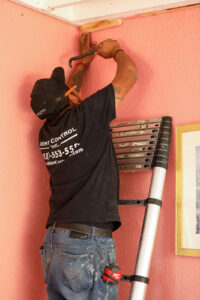
Rat and mouse activity can damage a home and contaminate food or surfaces. Trapping addresses current activity, while rodent proofing addresses identified accessible openings included in the approved work. This guide discusses how prevention can help reduce the risk of repeat damage; savings and permanent protection are not guaranteed. RCI serves rats and mice in detached, single-family homes only.
Let’s explore the cost effectiveness of rodent control, the long-term benefits of rodent proofing, and why this investment is one of the smartest decisions you can make for your home.
The Real Cost of Rodent Infestations
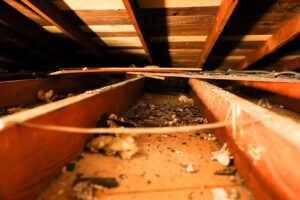
To understand how rodent proofing saves money, it’s important to first understand the cost of rodent infestations. Once rodents gain access to your home, they can:
- Chew through electrical wiring, creating fire hazards
- Tear apart insulation, reducing your home’s energy efficiency
- Nest in HVAC ducts, spreading allergens and disease
- Contaminate food supplies and surfaces with droppings and urine
- Cause structural damage to walls, roofs, and foundations
Repair needs depend on the damage found, the building and the work required. A damaged wire should be assessed by a qualified electrician. Rodent proofing cannot guarantee a particular repair cost, utility-bill reduction or financial saving.
Do not assume pest damage is covered or excluded. Coverage depends on your policy and the circumstances; ask your insurer about the specific damage.
Rodent Proofing as a Cost-Effective Investment
An inspection can help identify recommended rat and mouse trapping and proofing. The value of the work depends on the findings and approved scope. No return on investment or saving is guaranteed.
Rodent exclusion addresses identified accessible openings and vulnerable areas included in the approved work. It can help reduce opportunities for rats and mice to re-enter, but concealed openings or later damage may allow new activity. It does not guarantee avoided service fees, repairs, or health-related expenses.
Any potential cost savings depend on the property, existing damage, future activity, and maintenance. Rodent proofing alone does not establish that utility bills will fall or insulation and wiring will last longer. Discuss the findings and proposed work before deciding.
Long-Term Benefits of Rodent Proofing for Homeowners
Rodent proofing for homeowners can help address identified entry routes and reduce the chance of repeat damage. The following potential benefits depend on building condition and the approved work; increased resale value or a financial return is not promised:
- Energy Efficiency: Damaged insulation may affect performance. Discuss the condition found during inspection and any recommended insulation work; utility-bill savings depend on the building and are not promised.
- Property Condition: Addressing identified rat and mouse activity and damaged materials can help maintain the home. Increased resale value or avoided repair costs are not promised.
- Sanitation: Rats and mice may contaminate food or surfaces. Discuss cleanup recommendations and household precautions based on the findings; exclusion does not eliminate every exposure risk.
- Ongoing Awareness: Monitor for new signs of activity after the approved work. Concealed openings or later damage can allow re-entry; warranty terms follow the signed invoice.
These advantages make rodent proofing investment not only smart but necessary for long-term household well-being.
Comparing Rodent Proofing vs. Ongoing Pest Control
Trapping addresses current rat and mouse activity. Rodent proofing addresses identified accessible entry points included in the approved work. Rodent Control Inc. uses chemical-free rat and mouse control, with the appropriate work determined by the inspection findings.
Rodent proofing focuses on identified accessible openings. Repairs depend on the findings and approved scope; concealed openings and later damage may allow new activity. Cleanup or insulation work may be discussed separately when supported by the findings.
Compare the recommended trapping, exclusion and any cleanup work with the findings at your home. Cost and follow-up needs depend on the approved scope; a single service does not promise permanent protection or avoided future visits.
How Attic Rodent Proofing Contributes to Cost Savings
One of the most vulnerable parts of the home is the attic. Rodents love attics because they’re warm, quiet, and often undisturbed. Unfortunately, they also wreak havoc there. Chewed wires, shredded insulation, and contaminated materials all lead to decreased energy efficiency and expensive repairs.
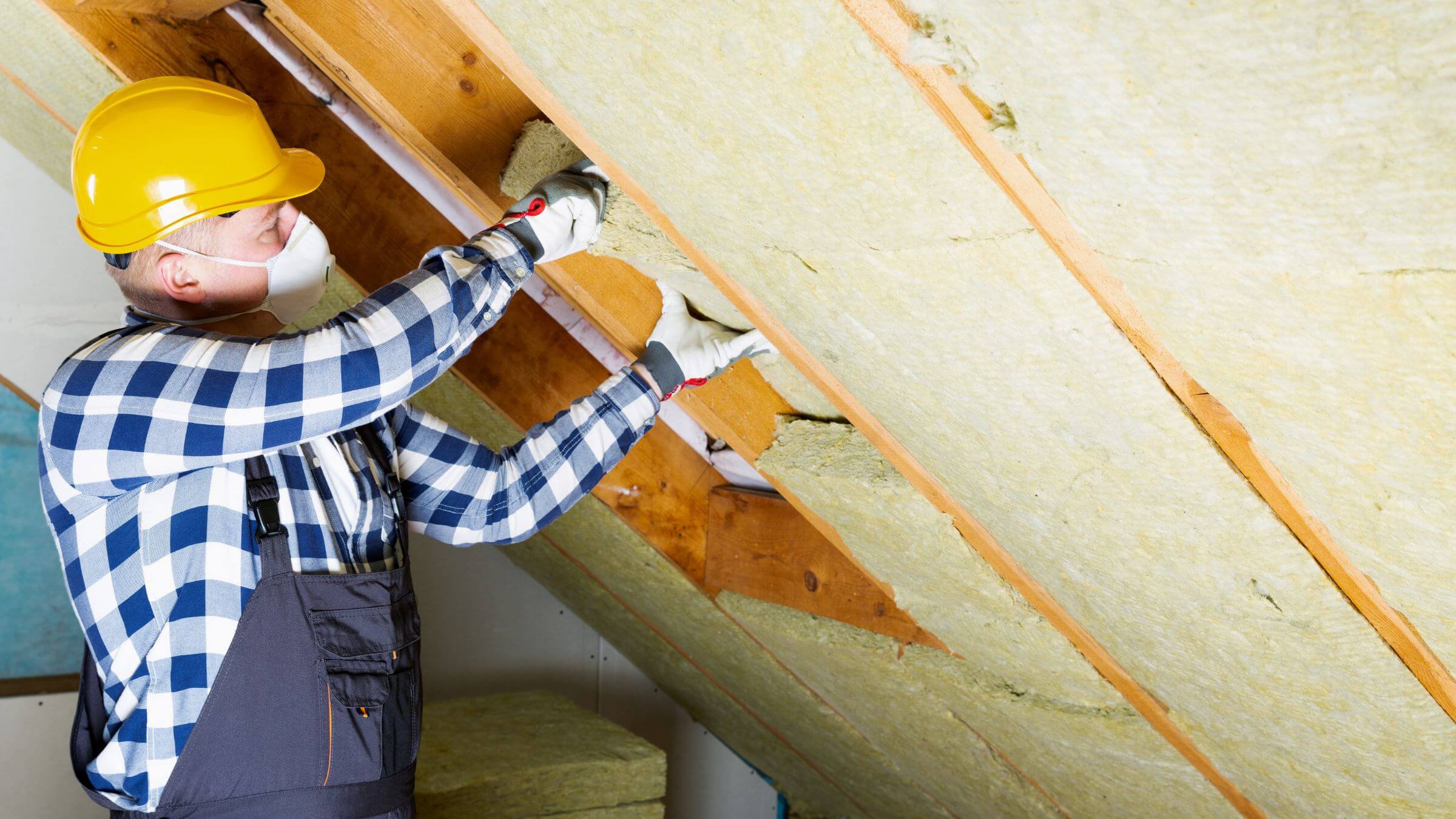
Attic rodent proofing costs depend on the identified accessible openings and approved repairs. Cleanup, contaminated insulation removal and new batt insulation installation may be discussed separately. Energy savings or elimination of every nesting opportunity are not promised.
RCI does not describe insulation as rodent-proof or as a repellent treatment. Replacement recommendations depend on the condition of existing materials; improved performance and future maintenance costs vary with the home.
Preventative Maintenance and Continued Savings
Rodent exclusion is not a one-time event. Like any home system, it benefits from rodent prevention maintenance. Seasonal checkups, sealing any new gaps, and ensuring that insulation remains intact are all essential steps.
Check for new signs of activity and address maintenance needs at the home. Follow-up visits depend on the approved work and signed invoice; future financial savings are not guaranteed.
Affordable Rodent Control Solutions for Every Home
The cost of recommended work depends on the home, findings and accessible areas. The homeowner must be present for the free inspection and verbal estimate on site. Review the recommended scope before approving service.
RCI explains the recommended work and gives a verbal estimate on site. Do not assume that payment plans, staged packages or an itemized written quote are offered. The free inspection requires the homeowner to be present.
Maintaining a home and addressing accessible entry points can help reduce opportunities for indoor rat and mouse activity. Future savings depend on individual circumstances and are not guaranteed.
Conclusion: Discuss Findings and Recommended Work
Rat and mouse activity can damage materials and contaminate a home. Discuss identified conditions during the inspection and approve work suited to the findings; future damage and costs cannot be predicted from a general article.
Rodent proofing can help reduce entry risk by addressing identified accessible openings. Insulation removal or new batt insulation installation may be discussed separately when supported by the findings. No work should be described as permanently rodent-proof or guaranteed to produce financial savings.
Rodent Control Inc. provides chemical-free rat and mouse trapping and proofing for detached, single-family homes. We inspect accessible areas and address identified openings included in the approved work. No monthly maintenance or permanent result is promised; warranty terms follow the signed invoice.
Schedule a homeowner rat and mouse inspection to discuss the recommended work and verbal estimate on site. Saturday is closed.