
For rats or mice entering a detached single-family home, an inspection can help identify visible activity, accessible entry conditions and possible food or shelter sources. This guide explains how those findings inform chemical-free trapping and rodent proofing and exclusion, without promising to identify every cause or prevent all future activity.
Identifying the Root Causes of Rodent Infestations
Inspection findings guide the work rather than establishing every hidden cause. Ask what evidence was found, which areas were accessible and which concerns need a separate specialist.
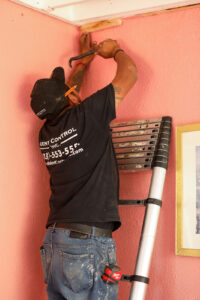
- Inspection of accessible areas: The inspection looks for visible rat or mouse signs and possible openings around the home. Concealed spaces or unsafe access may limit the assessment. Identified accessible openings are addressed only within approved work; discovery or closure of every opening is not promised.
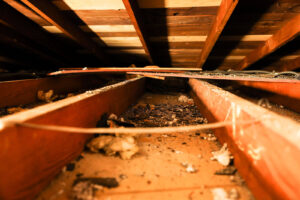
- Signs of activity: Droppings, gnaw marks, smudges and sounds can guide an inspection, but do not alone establish the species, number of rodents or current activity. Record where and when you noticed signs; avoid disturbing suspected waste.
- Food and water conditions: Discuss exposed food, waste and visible moisture during the inspection. RCI’s chemical-free rat control focuses on indoor intrusion in eligible detached homes; suspected leaks or building damage may require another qualified provider.
- Building access limits: The inspector assesses visible entry conditions in accessible areas. A rodent inspection is not a structural certification and does not guarantee that walls, ceilings or concealed spaces contain no gaps or damage.
- Observed activity: The location and timing of signs provide context for inspection. They do not reliably establish population size or species by themselves. Recommended trapping and proofing depend on the evidence and access.
Preventive Measures to Avoid Future Rodent Issues
Prevention work can address identified accessible entry conditions and household attractants. New openings or changing conditions may permit future activity; neither permanent protection nor savings or a health outcome is guaranteed.
- Sealing identified accessible openings: Repair materials must suit the location, opening and surrounding construction while preserving ventilation and drainage. Do not assume steel wool or caulk is suitable for every gap. Ask which repairs are included and which areas cannot be accessed safely.
- Food storage and cleanup: Store food securely, manage spills and keep waste contained. Suspected rodent droppings and nesting material require precautions; do not dry sweep or vacuum them. Follow the CDC rodent-cleanup guidance. Do not enter unsafe attics or crawl spaces to clean or inspect.
- Proper Waste Management
Rodents often scavenge for food in trash areas. To avoid attracting them, it’s essential to dispose of waste properly. Ensure that garbage bins are sealed tightly and that compost bins are kept away from the home. Professional rat control services may advise using sealed trash bags and keeping garbage containers off the ground to reduce attractants. - Chemical-free trapping: RCI does not use rodenticides. Discuss trap type, placement and household precautions with the technician; keep children and pets away from traps and work areas.
- Regular Inspections
Inspection and monitoring recommendations depend on the observed activity and approved work. RCI does not offer an assumed monthly plan, continuous monitoring, or free return visits. Follow-up and any warranty follow the signed invoice. - Landscape Management
Rodents can often be attracted to yards that offer shelter and food. By maintaining your landscape, you can reduce the likelihood of a rodent infestation. Trim back any overgrown bushes or trees, especially those near windows or entry points. Remove any fallen fruit or debris from the yard, and keep wood piles and other materials stored away from the building. - Rodent-Proofing Attics and Basements
Attics and basements can provide shelter for rats and mice. Rodent proofing addresses identified accessible openings in the approved scope using materials appropriate for the building. Hidden openings or later damage can allow new activity; no complete closure is promised. - Using Rodent Deterrents
RCI does not offer repellent treatments. Scented products or ultrasonic devices should not replace inspection, food-source management, trapping precautions, or accessible entry-point repairs. A natural label does not guarantee safety or effectiveness. - Professional Extermination
Indoor rat and mouse activity may require professional trapping and exclusion work. The methods and sequence depend on the findings, accessible areas, and approved scope. RCI uses chemical-free rat and mouse control, without promising complete eradication or permanent protection.
Inspection, food-source management, trapping, and accessible entry-point repairs can help reduce rat and mouse activity. They do not guarantee that every opening will be found or closed, or that a home will remain rodent-free.
Why Choose Us?
Rodent Control Inc. provides chemical-free rat and mouse control for detached single-family homes. We do not service businesses, apartments, condos, mobile homes, or outside-only rodents. Schedule a free homeowner inspection; the homeowner must be present. We provide a verbal estimate on site, and approved work and any warranty follow the signed invoice. Saturday is closed. Learn about rodent proofing and exclusion.
Los Angeles, CA
(323) 553-5551