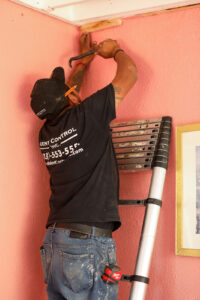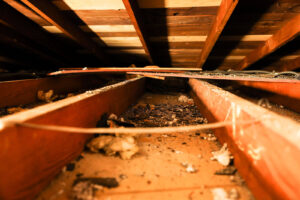

Rodents are more than just an annoying nuisance. They can cause serious damage to your home, contaminate food, and even spread disease. Catching a rodent problem early is essential to protect your family and property. Understanding the early signs of mice and rats, recognizing rodent activity in your home, and recording observations can help focus an inspection; these observations do not guarantee lower repair costs or a health outcome. In this article, we will explore the key indicators of rodent infestations and provide guidance on what actions to take.
Understanding Rodent Behavior and Habits
Before diving into the specific rodent infestation signs, it’s helpful to understand how rodents behave. Rats and mice are nocturnal creatures, which means they are most active at night. They prefer dark, secluded areas such as attics, basements, and behind walls. Rodents are excellent climbers and gnawers, constantly searching for food and nesting materials.
Small accessible gaps may be relevant to rat or mouse entry. Ask the inspector which openings were identified and which repairs are proposed; a coin-size comparison does not establish whether a particular opening is suitable for repair. Knowing these behaviors helps homeowners anticipate where to look for the early signs of rats and mice.
Common Early Signs of Rodents in Your Home
Rodent Droppings Identification
One of the most obvious indicators of a rodent problem is the presence of droppings. Rodent droppings identification is one part of an inspection. Size and shape alone do not reliably establish the species or whether activity is current; document signs without disturbing waste. Finding droppings in cupboards, along walls, or near food sources is a strong signal of rodent activity in your home.
This article is not a cleanup protocol. Report suspected rodent waste and ask a qualified provider about precautions and any proposed rodent-related cleanup. For health concerns, consult a qualified health professional.
Gnaw Marks and Chewed Materials
Rodents need to gnaw constantly to keep their teeth from growing too long. Gnaw marks from rodents can appear on wood, furniture, wiring, and even plastic containers. Chewed wires are particularly dangerous as they pose a fire hazard. Look for irregular bite marks on corners of cupboards, baseboards, and other wooden structures.
Additionally, shredded paper, fabric, or insulation may indicate nesting activity. Recognizing these rodent nesting signs can help focus an inspection, but old material does not establish an active nest or reproduction.
Unusual Sounds in the Attic or Walls
Many homeowners first become aware of rodents by hearing them. Scratching, scurrying, or squeaking sounds coming from the attic, walls, or ceilings are often signs of rodents in walls or above ceilings. These sounds are usually most noticeable at night when the house is quiet. Record the location and timing of the sound. Noise alone does not identify the species, a nest or an entry point.
Rodent Urine Smell
Another subtle but telling sign is the rodent urine smell. Rodent urine has a strong, ammonia-like odor that is often noticeable in enclosed areas such as basements, attics, or storage rooms. An unexplained odor can have multiple causes and does not confirm an ongoing rat or mouse infestation.
Describe the odor and its location to the inspector. Any rodent-related cleaning or odor treatment depends on the findings and approved scope.
Damage to Food and Structures
Rodents are not picky eaters. Rodent damage to home can include chewed packaging, nibbled wires, damaged insulation, and contaminated stored food. Food left out in the pantry or basement is particularly vulnerable. Rodents may also damage drywall, flooring, and structural supports as they create pathways and nests. Early recognition of rodent problem symptoms such as unexplained damage to household items is key to addressing the issue before it escalates.
Areas of the Home Most Vulnerable to Rodents
Kitchen and Pantry
The kitchen is often the first place homeowners notice signs of a rodent infestation. Rodents are drawn to easily accessible food sources, crumbs, and stored grains. Rodents in the kitchen can leave droppings behind, gnaw on packaging, and contaminate surfaces with urine and saliva. Checking pantry shelves, behind appliances, and under sinks is essential for early detection.
Basement and Attic
Basements and attics offer warmth, darkness, and seclusion—ideal conditions for rodents. Rodents in basement or attic spaces can build nests using insulation, cardboard, and other debris. Look for shredded materials, tracks along walls, and droppings in corners. Pay attention to any unusual sounds in attic areas as this may indicate rodents actively moving through the space.
Walls, Ceilings, and Crawl Spaces
Rats and mice often travel through walls, ceilings, and crawl spaces to move unseen through the home. Signs such as scratching, gnawing, or droppings along wall edges may indicate rodents in walls. Identifying these signs early allows for targeted interventions before the infestation spreads.
How to Tell If You Have Rodents
Detecting an infestation early requires a combination of observation and inspection. Key steps include:
- Look for droppings in commonly used areas.
- Inspect gnaw marks on furniture, wires, and wooden surfaces.
- Listen for nocturnal activity such as scurrying and squeaking.
- Smell for unusual odors from rodent urine.
- Check for structural damage to insulation, walls, and stored food.
- Identify rodent entry points, such as cracks, vents, and gaps in foundations.
These observations can warrant an inspection, but no single sign confirms current activity, species, population size or concealed damage. Limit observations to safely accessible areas and report inaccessible spaces to the technician.
Preventive Measures to Protect Your Home
While early detection is critical, preventing rodents from entering your home in the first place is equally important. Homeowners should:
- Discuss identified accessible gaps around windows, doors and foundations with the inspector; repairs must preserve ventilation and drainage.
- Keep food in rodent-proof containers and maintain clean kitchen areas.
- Store firewood and debris away from the home’s exterior.
- Report visible insulation damage for assessment; insulation is not a rodent entry barrier.
- Reduce clutter only in safely accessible storage areas; do not enter an attic or crawl space solely to inspect for rodents.
Combining these rodent prevention strategies with routine inspections can significantly reduce the likelihood of an infestation.
When to Call Professional Rodent Control
Despite best efforts, some infestations require professional intervention. If you notice multiple rodent warning signs, such as consistent droppings, gnaw marks, or unusual sounds in walls or attics, it may be time to contact a licensed pest control company. Professionals can:
- Assess the available evidence of rat or mouse activity.
- Inspect accessible areas for signs and potential entry points; report inspection limitations.
- Explain proposed chemical-free trapping and precautions for household members and pets.
- Recommend repairs to identified openings and food or shelter management within the approved scope.
An inspection helps define proposed work; it does not guarantee complete removal or permanent protection. Further activity can occur, and any applicable warranty is governed by the signed invoice.
Conclusion
Recognizing the early signs of a rodent infestation in your home is crucial for protecting your property, health, and peace of mind. From droppings and gnaw marks to unusual sounds and odors, each indicator provides valuable clues about rodent activity. Report observed signs and ask which work is supported by the inspection findings. An appointment does not guarantee avoided damage, savings or a health outcome.
If you notice indoor rat or mouse activity at your detached single-family home, schedule a free homeowner inspection with Rodent Control Inc. The homeowner must be present. We provide a verbal estimate on site. Chemical-free trapping, rodent exclusion and cleanup recommendations depend on the findings and approved scope. Any warranty follows the signed invoice. We do not service businesses, apartments, condos, mobile homes, outside-only rodents or San Francisco city. Saturday is closed.