To get rid of mice in your house fast: identify where they’re active, seal every gap 1/4 inch or larger, set 8–12 snap traps baited with peanut butter along the walls, check them daily, then clean and mouse-proof to keep them out. Mice breed quickly, so sealing and aggressive trapping together is what produces fast results.
Finding a mouse in your home is unsettling — and for good reason. Mice reproduce fast enough to turn one or two into dozens within weeks. This guide covers every step in the right order: confirming the infestation, finding where they’re getting in, choosing the right traps, and making sure they don’t come back — based on what pest professionals actually do on California homes.
First, Understand What You’re Dealing With
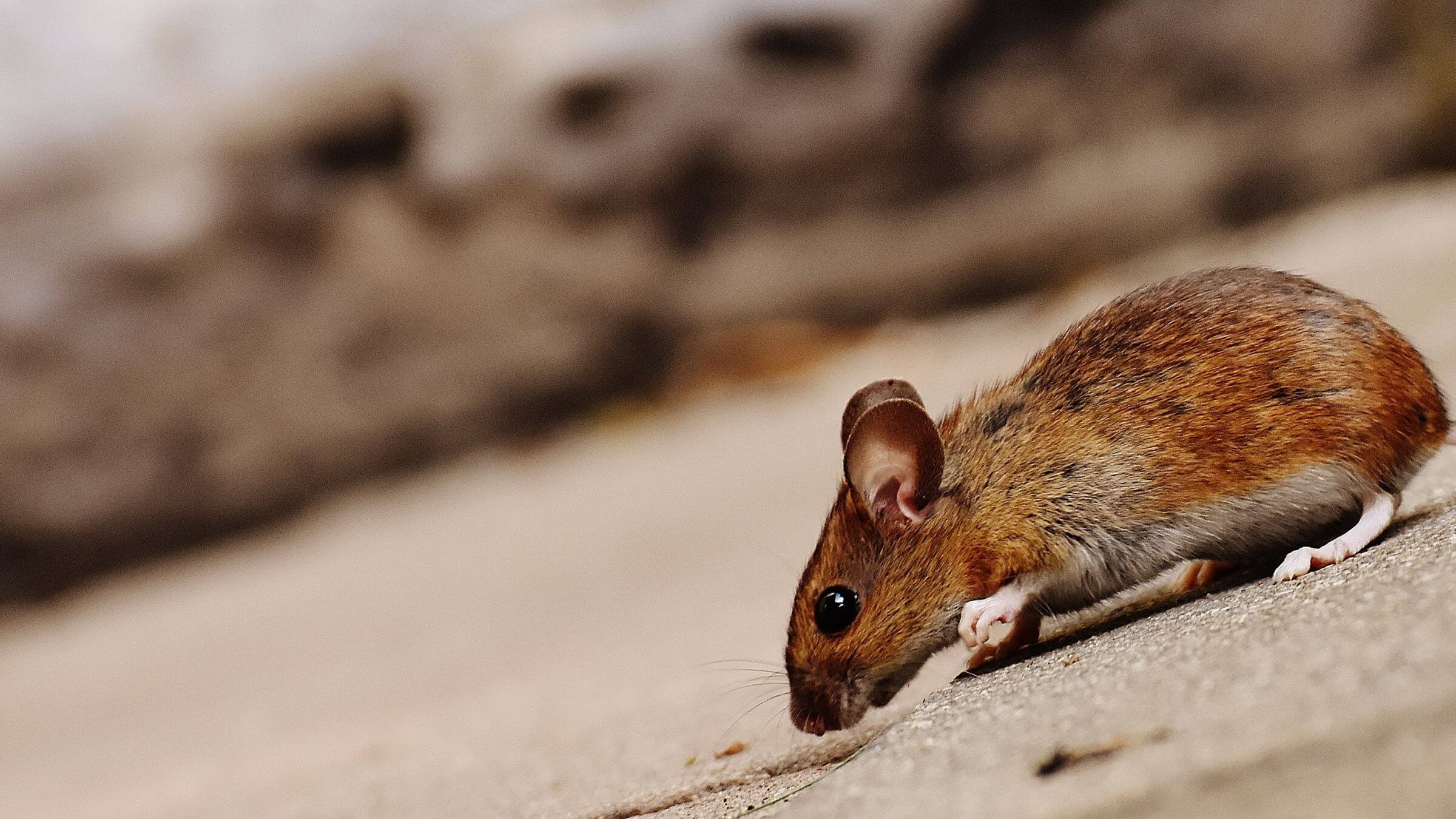
California homes deal primarily with the house mouse (Mus musculus) — small (3–4 inches body length), light gray to brown, with large rounded ears and a thin tail about as long as its body. House mice differ from rats in important ways:
- They’re much smaller and can squeeze through any gap larger than a dime (about 1/4 inch)
- They’re less dependent on a consistent water source than rats
- They nest close to food — often in kitchen walls, under appliances, or inside cabinets
- They don’t travel far from their nests, which actually makes trapping more effective when done right
One mouse is rarely just one mouse. House mice are social and nest in groups — where you see one, there are almost always more.
How to Tell If You Have Mice (Not Rats)
Signs specific to mice:
- Small, dark droppings (1/8–1/4 inch, rod-shaped with pointed ends) — much smaller than rat droppings
- Gnaw marks on food packaging, baseboards, or soft materials (mice chew constantly because their teeth never stop growing)
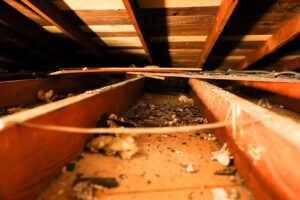
- Nesting material — shredded paper, fabric, or insulation — in hidden areas
- A distinct musky odor in enclosed spaces
- Tiny footprints or tail-drag marks in dusty areas near walls
- Scratching or rustling inside walls, especially at night
If the droppings are larger than 1/2 inch, you’re likely dealing with rats. Here’s a full guide to telling mice and rats apart, and the early signs of a rodent infestation to watch for.
Step 1: Identify Where They’re Active
Before placing a single trap, spend 15 minutes on a basic activity assessment so you know where to concentrate your effort. Where to look:
- Under and behind the refrigerator, stove, and dishwasher (warmth and crumbs make these prime nesting spots)
- Inside lower kitchen cabinets, especially corner cabinets
- Along the backs of drawers
- Behind the water heater
- In the garage, especially near stored food or pet food
- Inside closets along exterior walls
- In the attic or crawlspace if mice are moving through the structure
Look for droppings, gnaw marks, grease smears along baseboards, and nesting material. Droppings concentrated in one area indicate an active nest nearby — mark those spots as your trap-placement zones.
Step 2: Find the Entry Points
Trapping and physical exclusion work together to reduce repeat activity. Inspect accessible areas for gaps mice may use, and address identified openings included in the approved work. No permanent result or discovery of every entry point is promised. Common entry points in California homes:
- Gaps around pipes under kitchen and bathroom sinks
- Gaps at the base of the garage door (especially worn corner seals)
- Cracks in the foundation
- Gaps where utility lines (gas, electrical, cable) enter the structure
- Torn or missing weather stripping around doors and windows
- Gaps beneath exterior doors where the threshold seal is worn
- Crawlspace vents with damaged or missing mesh
- Weep holes in stucco — these small drainage gaps are exactly mouse-sized
How to find them: After dark, go outside with a flashlight while someone turns on lights room by room — light shows through small gaps. From outside, look for dark smudge marks (mouse fur and grease) around openings, which mark frequently used entries.
Step 3: Address Identified Accessible Entry Points
Seal every gap you find before or alongside trapping. Unlike rat removal, you don’t need to leave an opening — mice breed fast enough that sealing everything at once and trapping aggressively is the right approach. Materials by gap type:
- Small gaps around pipes and wires: copper mesh packed tightly, then sealed with caulk
- Larger gaps and holes: 1/4-inch hardware cloth cut to size, fastened with screws or staples, then caulked
- Door sweeps and thresholds: replace worn sweeps with commercial-grade brush or rubber seals rated for rodent exclusion
- Foundation cracks: concrete patch or exterior caulk for small cracks; foundation repair for structural cracks
- Garage door gaps: add or replace the threshold seal and side door-stop seals
Do not use spray foam alone — mice chew through it easily. If your home has complex construction (crawlspace, stucco, older build), professional rodent exclusion is the most efficient way to find and seal every gap.
Step 4: Set Traps — The Right Way
Once entry points are addressed, trap aggressively. The single most common mistake is setting only two or three traps. For a typical home with activity in the kitchen and walls, start with 8–12 traps placed strategically.
Snap Traps (Most Recommended)
Classic snap traps remain the most effective mouse-control tool — inexpensive, instant, reusable, and poison-free. Plastic versions (Victor Easy Set, Tomcat) are easier to set and clean than the wooden design. Bait: a pea-sized amount of peanut butter applied directly to the trigger — enough to smell strong but not so much the mouse can lick it off. Placement: along walls with the trigger end facing the wall, at 2–3 foot intervals in areas with confirmed activity. Mice run along walls and rarely cross open floor.
Glue Traps
Glue traps catch mice alive and are not humane. They’re legal in California but not recommended by professional pest-control companies or animal-welfare organizations — trapped mice suffer prolonged stress, dehydration, or injury. Snap traps kill instantly and produce better results.
Electronic Traps
Battery-powered electronic traps deliver a lethal shock. They’re effective, hygienic (no touching the mouse), and slightly faster than snap traps, but cost more per unit and need batteries.
Poison Bait Stations
As with rats, we don’t recommend rodenticide indoors. Poisoned mice often die inside your walls, creating a dead-rodent odor that lasts days or weeks with no way to retrieve the carcass — plus secondary-poisoning risk to pets and wildlife.
Step 5: Check and Reset Traps Daily
Check every trap every 24 hours. Remove caught mice immediately — leaving them in place reduces nearby traps’ effectiveness. Wear disposable gloves, bag carcasses, and dispose in the trash. Reset and re-bait any trap where the bait was taken without triggering (adjust sensitivity or move it). Keep trapping until you go five to seven consecutive days with zero catches and no new droppings — zero new droppings is the key indicator, not just empty traps.
Step 6: Clean and Sanitize
Follow the CDC instructions for cleaning up after rodents. Do not sweep or vacuum urine, droppings or nesting materials before disinfection. Extensive contamination may require professional cleanup.
- Wear rubber or plastic gloves.
- Wet droppings and urine with an appropriate disinfectant; allow five minutes or the contact time specified on its label.
- Use paper towels to collect the waste and disinfectant, then discard them in a covered garbage can.
- Disinfect the affected hard surfaces according to the product instructions.
- Wash gloved hands before removing gloves, then wash hands with soap and water.
Pay special attention to inside kitchen cabinets (remove and clean all items), drawers, and under/behind appliances. If mouse activity reached the attic, crawlspace, or walls, professional remediation may be required — particularly if insulation was contaminated.
Step 7: Reduce the Risk of New Mouse Activity
Eliminating an infestation is one thing; keeping mice out long-term means changing the conditions that attracted them. Sanitation that removes attractants:
- Store all dry food (grains, cereal, nuts, pet food) in hard-sided airtight containers — not bags or cardboard
- Don’t leave dirty dishes in the sink overnight
- Empty indoor trash daily; keep outdoor cans sealed
- Clean behind and under appliances regularly
- Don’t store boxes or clutter against walls — they become nesting sites
Outside, seal garbage cans, pick up fallen fruit promptly, keep firewood away from the structure, eliminate dense ground cover against the foundation, and clear debris piles. Then check key areas for droppings periodically so new activity can be addressed early. For professional help, see how mouse control and mouse-proofing works, and review our rodent proofing services.
When to Call a Professional
You’ve done everything right and still have mice when:
- You can’t locate or access all the entry points (common with crawlspaces, stucco exteriors, or complex utility penetrations)
- The infestation has spread to multiple areas at once
- You trap successfully but they keep returning within weeks
- You found activity in the attic or crawlspace and suspect contaminated insulation
- You’re dealing with a large infestation in a home with young children, elderly residents, or immunocompromised individuals
Rodent Control Inc provides mouse removal and mouse-proofing for qualifying single-family, standalone homes in Los Angeles County, Orange County, and the Bay Area. We inspect accessible areas, explain the recommended trapping and exclusion work, and document any applicable warranty terms on the signed invoice. Contact us for a free homeowner inspection.
Frequently Asked Questions
How fast do mice reproduce?
A female house mouse can have 5–10 litters per year with 3–12 pups each. Under ideal conditions — warmth, food, shelter, exactly what your home provides — two mice can become 20 within two months, which is why acting immediately matters.
How long does it take to get rid of mice?
The timeline depends on the extent of indoor activity, accessible areas, trapping results, and the approved work. Inspection findings guide recommendations; no fixed completion time or permanent result is promised.
What smell do mice hate?
Do not rely on smells, ammonia, or scented products to control an indoor mouse infestation. RCI does not offer repellent treatments. Food storage, trapping precautions, and accessible entry-point repairs are the focus.
Can mice come back after you get rid of them?
Yes. New activity can occur if entry points remain open, new openings develop, or attractive conditions persist. Physical exclusion helps reduce re-entry risk by sealing identified, accessible entry points, but no home can be promised to remain permanently rodent-free.
Are mice in my house dangerous?
Yes. Mice contaminate food and surfaces with droppings and urine that can transmit salmonella, hantavirus, and leptospirosis, and they chew electrical wiring — a documented fire hazard. Activity in the kitchen or food-storage areas is a food-safety issue to treat urgently.
Do mice only come out at night?
Mice are primarily nocturnal but will forage in daylight when a colony grows large or competition for food is high. Seeing mice during the day is actually a sign of a significant infestation.