
Rodents are more than just an annoying nuisance. They can cause serious damage to your home, contaminate food, and even spread disease. Catching a rodent problem early is essential to protect your family and property. Understanding the early signs of mice and rats, recognizing rodent activity in your home, and knowing what to look for can save you from costly repairs and health risks. In this article, we will explore the key indicators of rodent infestations and provide guidance on what actions to take.
Understanding Rodent Behavior and Habits
Before diving into the specific rodent infestation signs, it’s helpful to understand how rodents behave. Rats and mice are nocturnal creatures, which means they are most active at night. They prefer dark, secluded areas such as attics, basements, and behind walls. Rodents are excellent climbers and gnawers, constantly searching for food and nesting materials.
Mice can squeeze through holes as small as a dime, while rats require slightly larger openings. Their ability to enter through tiny gaps and their rapid breeding habits make early detection crucial. Knowing these behaviors helps homeowners anticipate where to look for the early signs of rats and mice.
Common Early Signs of Rodents in Your Home
Rodent Droppings Identification
One of the most obvious indicators of a rodent problem is the presence of droppings. Rodent droppings identification can help you distinguish between mice and rats. Mouse droppings are small, black, and rice-shaped, while rat droppings are larger, about the size of a raisin. Finding droppings in cupboards, along walls, or near food sources is a strong signal of rodent activity in your home.
It’s important to handle droppings carefully. Rodent feces can carry harmful bacteria and viruses. Wear gloves when cleaning and disinfect the area thoroughly to reduce the risk of contamination.
Gnaw Marks and Chewed Materials
Rodents need to gnaw constantly to keep their teeth from growing too long. Gnaw marks from rodents can appear on wood, furniture, wiring, and even plastic containers. Chewed wires are particularly dangerous as they pose a fire hazard. Look for irregular bite marks on corners of cupboards, baseboards, and other wooden structures.
Additionally, shredded paper, fabric, or insulation may indicate nesting activity. Recognizing these rodent nesting signs can alert you to areas where rodents are actively living and reproducing.
Unusual Sounds in the Attic or Walls
Many homeowners first become aware of rodents by hearing them. Scratching, scurrying, or squeaking sounds coming from the attic, walls, or ceilings are often signs of rodents in walls or above ceilings. These sounds are usually most noticeable at night when the house is quiet. Pay close attention to areas where sound seems to be concentrated, as this can help you pinpoint potential entry points and nests.
Rodent Urine Smell
Another subtle but telling sign is the rodent urine smell. Rodent urine has a strong, ammonia-like odor that is often noticeable in enclosed areas such as basements, attics, or storage rooms. A pungent, unexplained odor could indicate an ongoing infestation even if you do not immediately see droppings or gnaw marks.
Frequent cleaning and sealing of food sources can help minimize odor, but professional inspection is often necessary to locate hidden nests.
Damage to Food and Structures
Rodents are not picky eaters. Rodent damage to home can include chewed packaging, nibbled wires, damaged insulation, and contaminated stored food. Food left out in the pantry or basement is particularly vulnerable. Rodents may also damage drywall, flooring, and structural supports as they create pathways and nests. Early recognition of rodent problem symptoms such as unexplained damage to household items is key to addressing the issue before it escalates.
Areas of the Home Most Vulnerable to Rodents
Kitchen and Pantry
The kitchen is often the first place homeowners notice signs of a rodent infestation. Rodents are drawn to easily accessible food sources, crumbs, and stored grains. Rodents in the kitchen can leave droppings behind, gnaw on packaging, and contaminate surfaces with urine and saliva. Checking pantry shelves, behind appliances, and under sinks is essential for early detection.
Basement and Attic
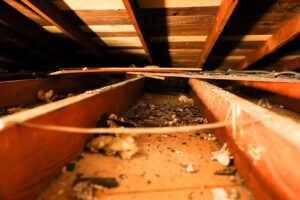
Basements and attics offer warmth, darkness, and seclusion—ideal conditions for rodents. Rodents in basement or attic spaces can build nests using insulation, cardboard, and other debris. Look for shredded materials, tracks along walls, and droppings in corners. Pay attention to any unusual sounds in attic areas as this may indicate rodents actively moving through the space.
Walls, Ceilings, and Crawl Spaces
Rats and mice often travel through walls, ceilings, and crawl spaces to move unseen through the home. Signs such as scratching, gnawing, or droppings along wall edges may indicate rodents in walls. Identifying these signs early allows for targeted interventions before the infestation spreads.
How to Tell If You Have Rodents
Detecting an infestation early requires a combination of observation and inspection. Key steps include:
- Look for droppings in commonly used areas.
- Inspect gnaw marks on furniture, wires, and wooden surfaces.
- Listen for nocturnal activity such as scurrying and squeaking.
- Smell for unusual odors from rodent urine.
- Check for structural damage to insulation, walls, and stored food.
- Identify rodent entry points, such as cracks, vents, and gaps in foundations.
A thorough inspection of these signs can confirm the presence of rodents even before a visible infestation becomes severe.
Preventive Measures to Protect Your Home
While early detection is critical, preventing rodents from entering your home in the first place is equally important. Homeowners should:
- Seal cracks and gaps around windows, doors, and foundations.
- Keep food in rodent-proof containers and maintain clean kitchen areas.
- Store firewood and debris away from the home’s exterior.
- Inspect insulation and repair damaged areas promptly.
- Remove clutter in attics, basements, and garages that could provide nesting spaces.
Combining these rodent prevention strategies with routine inspections can significantly reduce the likelihood of an infestation.
When to Call Professional Rodent Control
Despite best efforts, some infestations require professional intervention. If you notice multiple rodent warning signs, such as consistent droppings, gnaw marks, or unusual sounds in walls or attics, it may be time to contact a licensed pest control company. Professionals can:
- Identify the type of rodent.
- Locate nests and entry points.
- Safely remove rodents using humane and effective methods.
- Provide recommendations for long-term prevention.
Engaging experts ensures that the infestation is fully addressed and minimizes the risk of recurring problems.
Conclusion
Recognizing the early signs of a rodent infestation in your home is crucial for protecting your property, health, and peace of mind. From droppings and gnaw marks to unusual sounds and odors, each indicator provides valuable clues about rodent activity. Acting quickly can prevent costly damage and limit health risks associated with rodents.
If you suspect rodents in your home, don’t wait until the problem escalates. Contact Rodent Control Inc. today for a comprehensive inspection and professional rodent control solutions. Our experienced team will identify the source of infestation, safely remove pests, and provide preventive measures to keep your home rodent-free. Protect your home and family by addressing rodent problems early—call Rodent Control Inc. now!